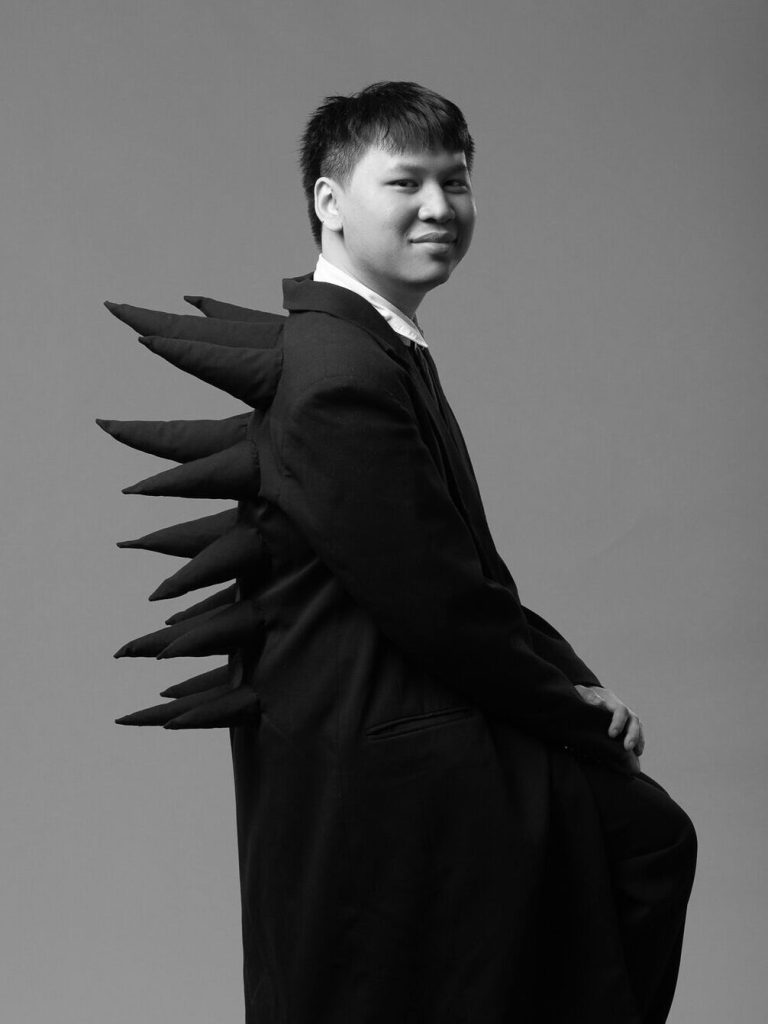
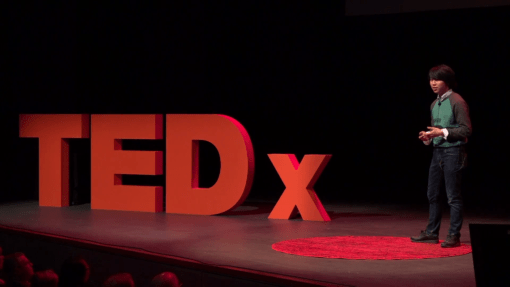
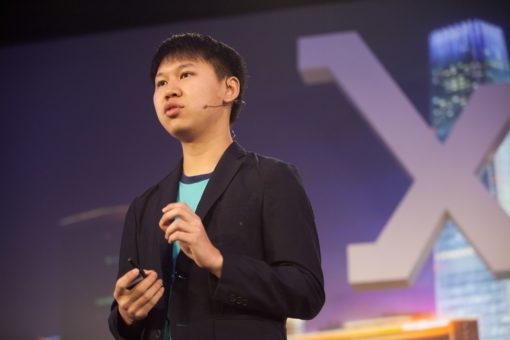
Photo Credit: Katherine Taylor/TEDx Boston
Pat Pataranutaporn, Ph.D.

MIT Professor, Founding Director of the Cyborg Psychology research group & Co-director of the MIT Media Lab’s Advancing Humans with AI (AHA) research program
Cyborg Scientist | Human-AI Interaction Scholar | Postdoctoral Researcher at MIT Media Lab, Massachusetts Institute of Technology
Biography
Pat Pataranutaporn, PhD is an assistant professor, technologist, and researcher at the Massachusetts Institute of Technology (MIT), where he is the founding director of the Cyborg Psychology research group. He also serves as co-director of the MIT Media Lab Advancing Humans with AI (AHA) Research Program.
His research lies at the intersection of AI and human-computer interaction, where he focuses on inventing, investigating, and inspiring next-generation human-AI systems for human flourishing, applying insights from human psychology to AI and understanding how AI impacts human psychology. His research has been translated into real-world impact, ranging from Future You, a widely adopted AI digital twin for supporting long-term thinking that has been used in over 100 countries worldwide, to research that has shaped legislation protecting children from companion AI, and leading efforts to develop the first open benchmark for the human impact of AI in collaboration with leaders across academia, industry, and government. He also serves as an advisor to the Psychology of Technology Institute and Partnership on AI.
As founding director of the Cyborg Psychology research group at the MIT Media Lab, he leads a team of interdisciplinary researchers to develop and study how AI can both augment and diminish human learning, decision-making, critical thinking, creativity, and other critical dimensions of human experience. His group is among the first to investigate emerging phenomena through empirical studies examining how AI reshapes cognition, emotion, and behavior, from emotional dependence on AI companions and cognitive manipulation to false memory implantation, placebo effects of human-AI interaction, and the co-evolution of human and machine intelligence.
Pataranutaporn’s research contributions have been published in numerous peer-reviewed journals and conferences, including the Proceedings of the National Academy of Sciences (PNAS), Nature Machine Intelligence, IEEE, ACM SIGCHI, ACM SIGGRAPH, ACM ISWC, and ACM Augmented Humans. His work has been highlighted by the United Nations AI for Good forum and featured in MIT Technology Review, the Guardian, the New York Times, the Washington Post, Forbes, the Atlantic, Scientific American, the Wall Street Journal, National Geographic, and more. His work has also been honored as one of TIME’s “Best Inventions of 2023” and was included in Fast Company’s “2023 World Changing Ideas.”
Pataranutaporn has collaborated with researchers from both academia and industry, including teams from NASA, Stanford Medicine, Harvard, Mass General Brigham, UCSB, UCLA, UC Irvine, Microsoft Research, OpenAI, NTT Data, KBTG, and more.
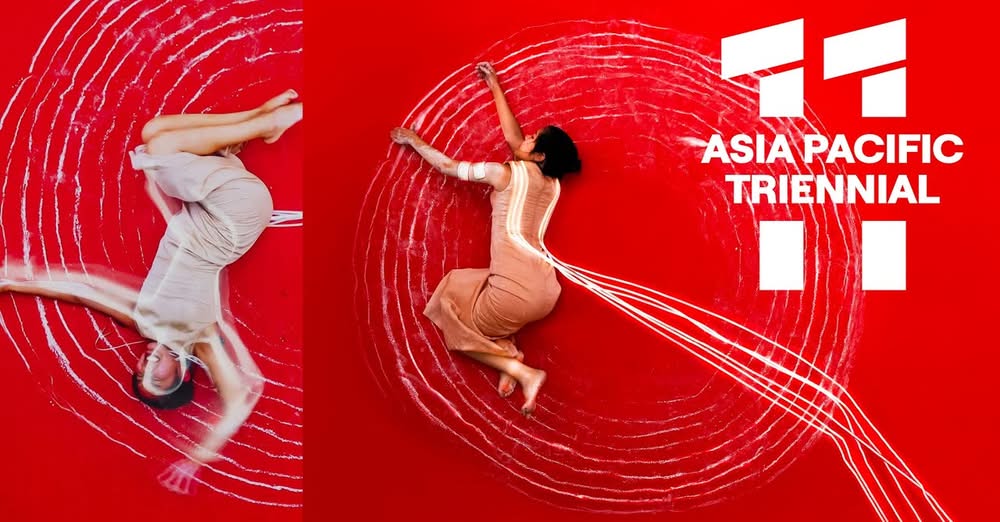
His projects have been exhibited at the MIT Museum (Massachusetts), Asia Pacific Triennial (Queensland Art Gallery, Australia), The Art Gallery of Western Australia (Australia), MAXXI: National Museum of 21st Century Art (Italy), Bangkok Art Biennale (Thailand), Bangkok City Gallery (Thailand), National Museum of Singapore (Singapore), Peabody Essex Museum (USA), London Design Festival (UK), Transmediale Festival (Germany), National Taiwan Science Education Center (Taiwan), IDEA Museum (Arizona), Mesa Arts Center (Arizona), Autodesk Gallery (California), SIGGRAPH Asia (Tokyo), Ars Electronica (Virtual), and more.
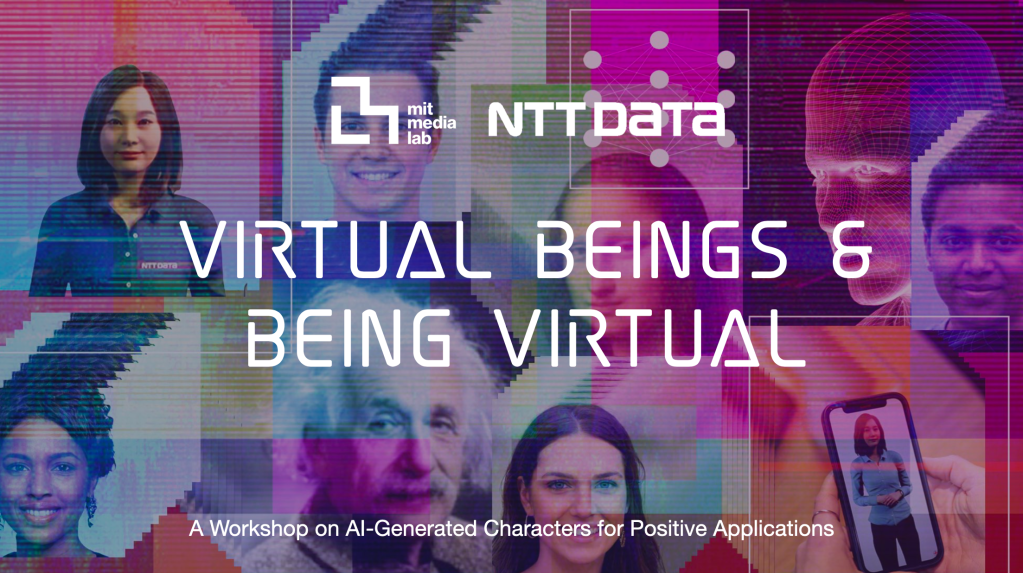
Pataranutaporn co-designed and taught one of the first MIT courses on Generative AI, developed to equip students with the essential knowledge and skills to navigate the frontiers of this emerging field. He also co-organized the first workshop on virtual AI humans, attended by over 1,600 participants remotely and more than 200 in person in 2021.
He also served as co-creator and writer of the Netflix sci-fi anthology series Tomorrow and I, which premiered in 2024.
(Updated on March 12, 2026)
Education
2021-2024: PhD Candidate in Media Arts & Sciences, MIT Media Lab, Massachusetts Institute of Technology
School of Architecture + Planning
2018-2020: Master of Media Arts & Sciences, MIT Media Lab, Massachusetts Institute of Technology
School of Architecture + Planning
2013-2017: Bachelor of Science in Biological Sciences, College of Liberal Arts & Sciences, Arizona State University (ASU)
2013-2017: Barrett, the Honors College at Arizona State University (ASU)
Appointment
2025 – Assistant Professor of Media Arts & Sciences/ Founding Director of the Cyborg Psychology research group
2024 – Current : Co-director of the MIT Media Lab’s Advancing Humans with AI (AHA)
2022 (Summer): Researcher at NASA/SETI/DOE Frontier Development Lab
2018 – Current : Research Assistant & Member of MIT Media Lab Fluid Interfaces Group
2017 (Summer) : Research Intern at IBM Computational Biology Center, NY
2016 (Summer) : Visiting Researcher at Nanyang Technological University, Singapore
2015 – 2016 : Social media chair at ASU Changemaker Central, Arizona State University
2015 – 2016 : Research fellow at Synthesis Center, School of Art, Media + Engineering, Arizona State University
2014 – 2016 : Researcher at Biodesign Insitute, Arizona State University Swette Center for Environmental Biotechnology
Awards & Recognition
- 2025 – AI Creative Future Grand Pix Winner (Cyber Subin)
- 2025 – World Changing Ideas 2025 (Future You)
- 2024 – OpenAI grant for Human-AI Interaction Research
- 2024 – Featured in I Am a Scientist, a collection of educational resources designed to inspire the next generation of STEM leaders.
- 2024 – MIT Open Data Prize – Honorable Mentions (Open Dance Lab)
- 2023 – TIME The Best Inventions of 2023 (MicroPET)
- 2023 – One of the top 10 Fastcompany 2023 World Changing Ideas (MicroPET)
- 2022 – KBTG Fellowship
- 2022 – NASA/SETI/DOE Frontier Development Lab (Heroic Comeback Award)
- 2022 – ISS Nationa Lab Sustainability Challenge (Top 3 finalist) – Space Exploration Initiative (MicroPET)
- 2021 – J-WEL Grants in pK-12 Education Innovation 2021 (AI-Generated Characters for Improving Engagement and Learning Outcomes in Online Teaching)
- 2021 – NTT Data – MIT Media Lab Grant on Living Memory & AI-generated Characters
- 2020 – United Nations (UN) AI for Good Lecture (Invited Guest Speaker)
- 2020 – Microsoft Design Expo (Invited Guest) – MIT Media Lab Fluid Interfaces (iNonymize)
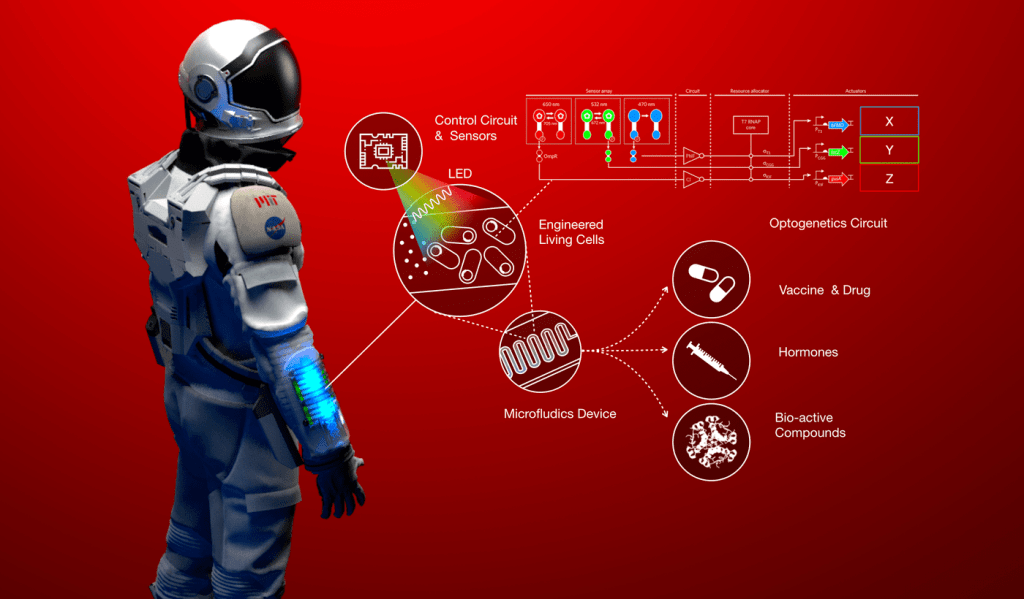
- 2020 – MIT-NASA TRISH Grant Phase II (Recipient) – Space Exploration Initiative + MIT Media Lab Fluid Interfaces (Wearable Lab on Body)
- 2020 – NASA HERO (Finalist) – MIT AeroAstro+ MIT Media Lab Fluid Interfaces (Wear-MD)
- 2019 – MIT Council for the Arts Grant (Recipient) – MIT Media Lab Fluid Interfaces (Machinoia)
- 2019 – NASA NIAC Grant (Finalist) – Space Exploration Initiative + MIT Media Lab Fluid Interfaces (Wearable Biofab)
- 2019 – MIT-NASA TRISH Grant (Recipient) – Space Exploration Initiative + MIT Media Lab Fluid Interfaces (Wearable Lab on Body)
- 2019 – MIT Connect Arts, Community, and Computing Challenge Winner
- 2019 – MIT Media Lab Element Fellowship
- 2018 – Core77 Design Awards -Notable Design Concept Award (Hormone Couture)
- 2018 – 3D Pioneer Challenges – Finalists (Hormone Couture)
- 2018 – Urban Media Art Academy Bangkok by Goethe-Institut (Emoti-Khon)
- 2018 – National Space Exploration,Thailand – The top 3 finalists (Personalized Food Fabrication Project)
- 2017 – Newman Civic Engagement Fellow
- 2016 – Global Biomimicry Design Challenge Top 3 finalist – Final/prototype round [October 22, 2016]
- 2016 – MIT Media Lab Reality, Virtually, Hackathon – The Most Refined Mobile VR Experience & Best Up and Coming Hackers for VR Story Tellers [October 7, 2016]
- 2016 – Pitchfork award – Changemaker Entrepreneur of the Year [April 7, 2016]
- 2016 – Finalist Pakis Social Entrepreneurial Challeng ARKHumanity/Humanity X Technologies, LLC [February 4, 2016]
- 2015 – Global Biomimicry Design Challenge – The 1st runner up – proposal round [October 4, 2015]
- 2015 – Changemaker Innovation Challenge – First prize winner
- 2015 – Dean’s List student, – College of Liberal Arts & Sciences
- 2014 – Hacks for Humanity – First prize winner
- 2012 – Asia – Pacific gifted youth summit, Dubai -Winner
- 2014 – Codeday Portland – Overall award winner
- 2012 – JAXA – NSTDA student zero gravity flight experiment contest(Second place winner)
- 2011 – Representative from Thailand to join United Nations Environment Programme (UNEP) and Bayer Conference (BYEE), Germany
AI for Human Flourishing
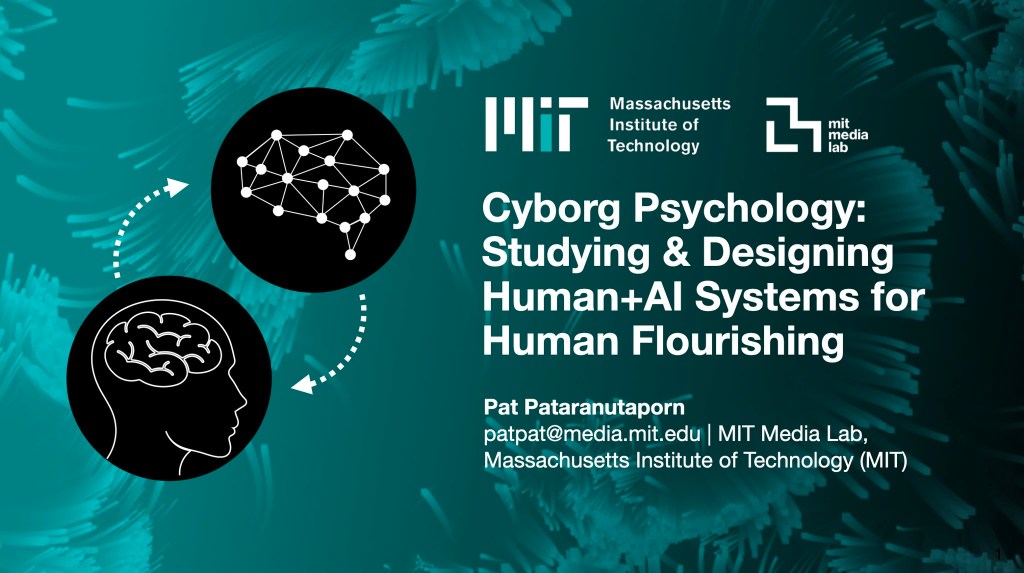
Cyborg Psychology: The Art + Science of Designing Human-AI Systems that Support Human Flourishing
My dissertation focuses on understanding the psychological dimensions of human-AI interaction, and on translating these insights into the design of future systems that foster human flourishing. Crucially, it extends beyond the conventional emphasis on enhancing human productivity. Instead, it addresses more profound aspirations, such as how AI may support the development of wisdom, cultivation of wonder, and promotion of well-being—domains. It addresses both timely and enduring themes within Human-Computer Interaction (HCI) by engaging with the emergence of pervasive AI and questioning how it relates to the ageless pursuit of human flourishing. The dissertation systematically addresses these challenges in three parts.
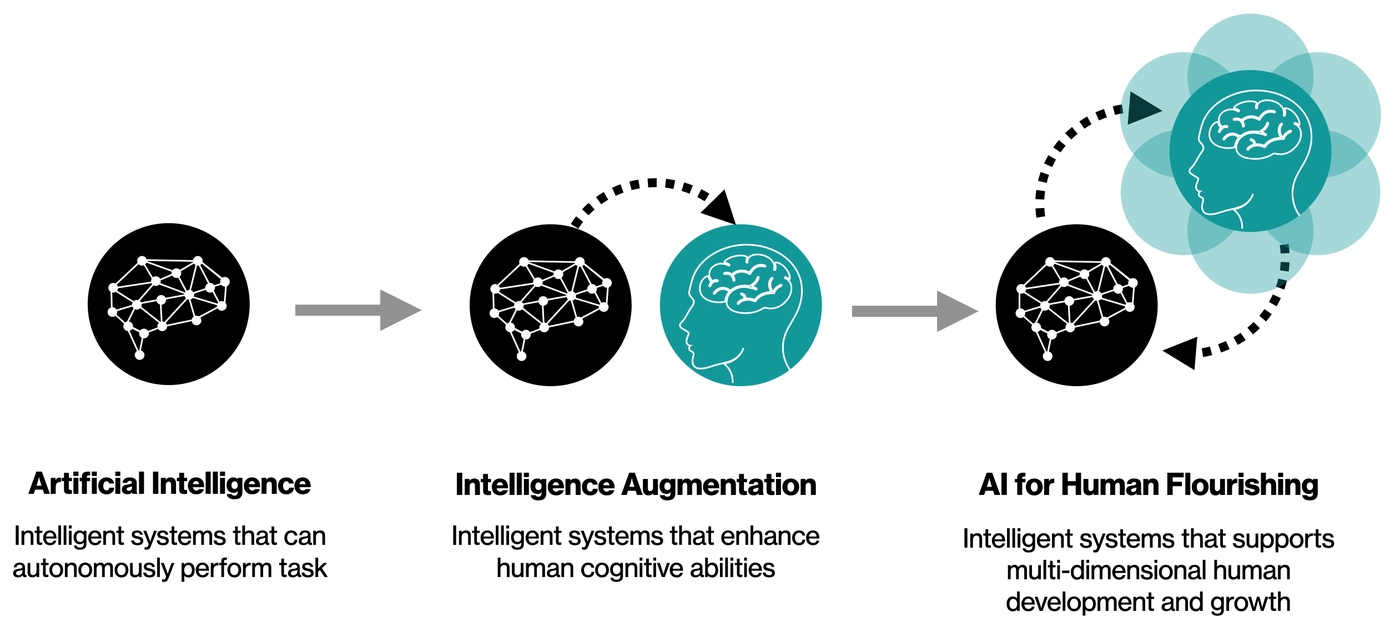
Through rigorous scientific evaluation including large-scale studies and mixed-method approaches, I first investigated how AI design choices influence critical psychological factors like motivation, engagement, and mental models, including a groundbreaking pre-registered study of 310 participants examining how users’ beliefs about AI shape their interactions with large language models, published in Nature Machine Intelligence.
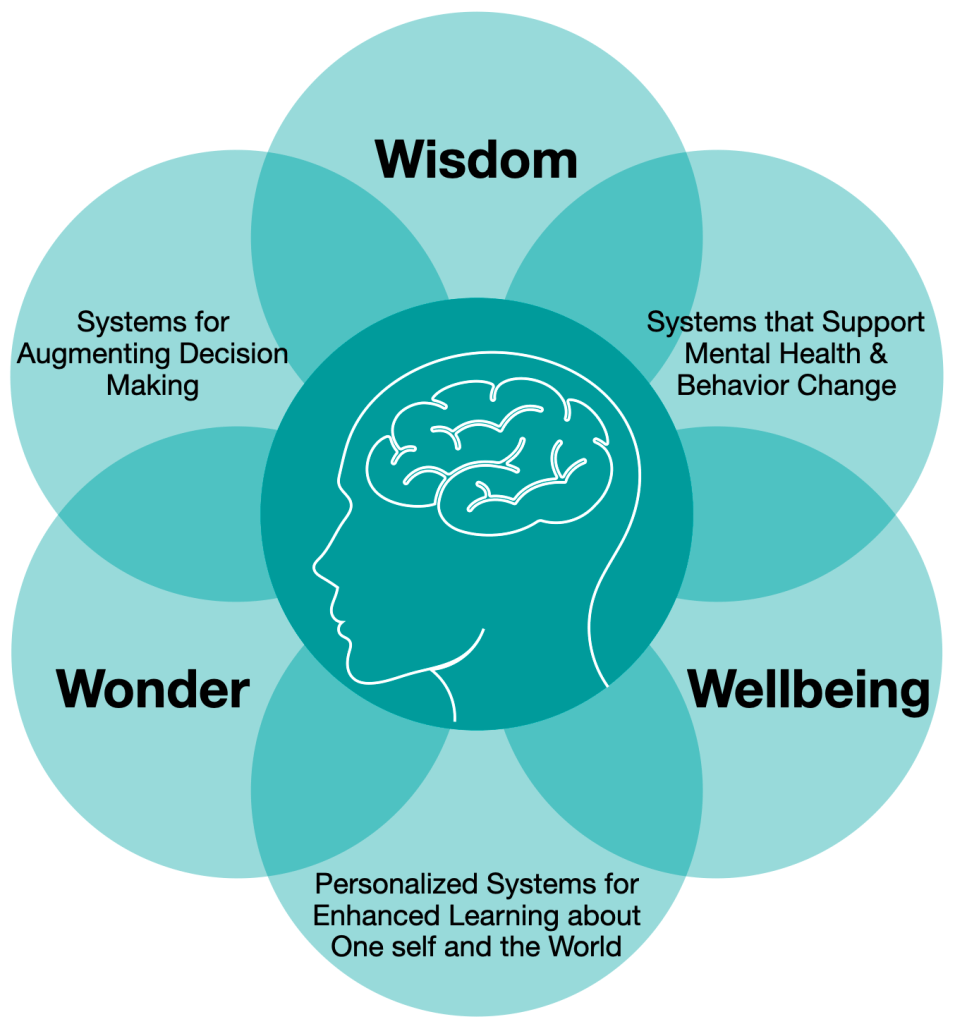
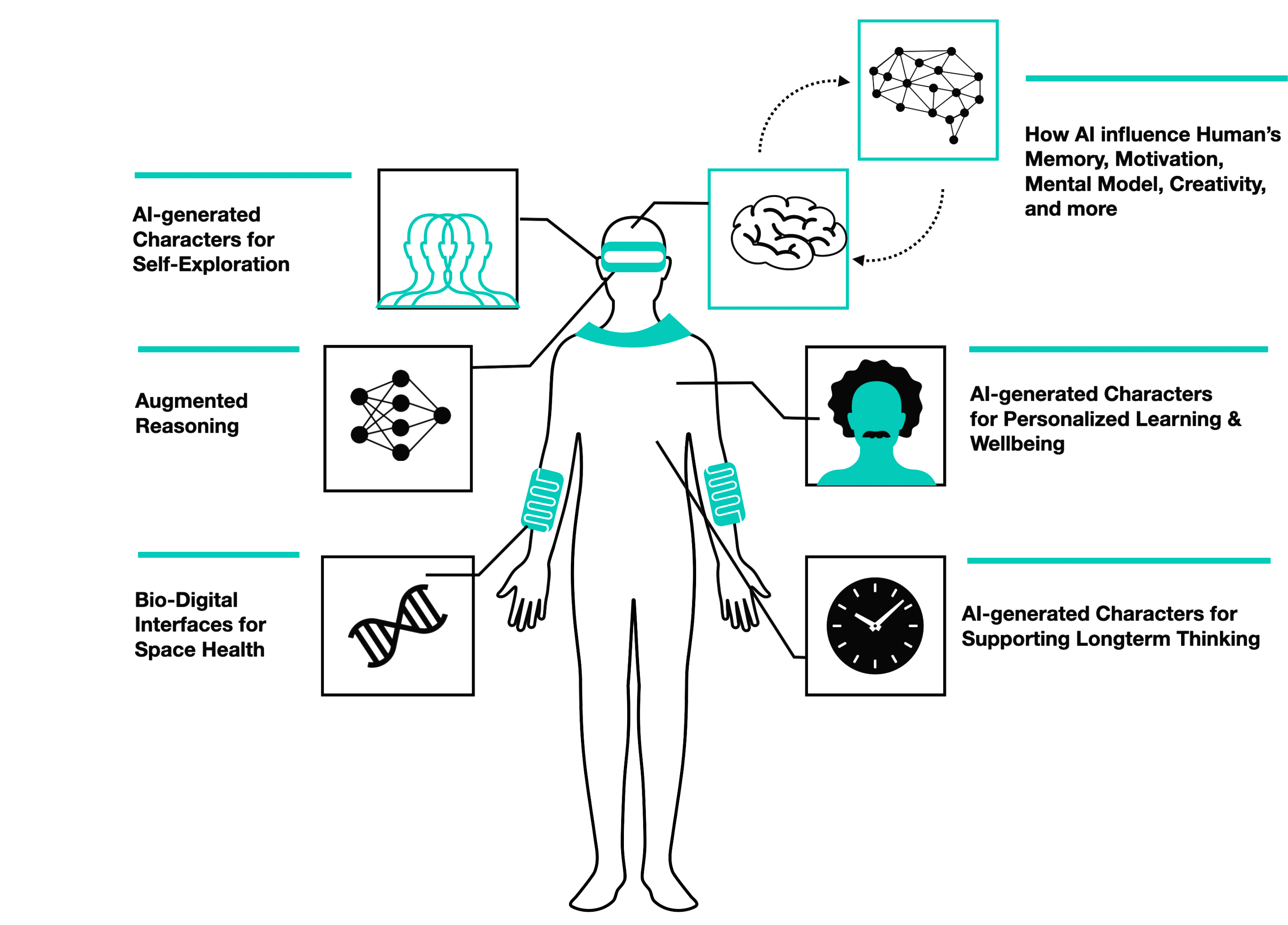
Building on these insights, I then developed and evaluated novel technical implementations supporting three key areas of human development: wisdom cultivation, wonder nurturing, and well-being prioritization. This included “Future You,” a conversational AI system using LLMs and StyleGAN to create personalized future self-interactions that demonstrated significant benefits for anxiety and motivation across 188 participants and reached over 60,000 users globally (published in IEEE Frontiers in Education 2024 and NeurIPS Creative AI 2024), as well as the “Wearable Reasoner” system that achieved 85% accuracy in real-time argument analysis (ACM Augmented Humans 2022) and evolved into an AI Socratic mentor shown to enhance critical thinking capabilities (ACM CHI 2024).
Finally, I developed the “Cyborg Psychology” framework, expanding on Clynes and Kline’s foundational work to establish a new interdisciplinary domain examining complex human-AI system interactions through rigorous empirical methodologies, distinguishing itself by treating AI as a dynamically adaptive influence rather than a static external factor and enabling comprehensive analysis of bidirectional behavioral influences in closed-loop systems.
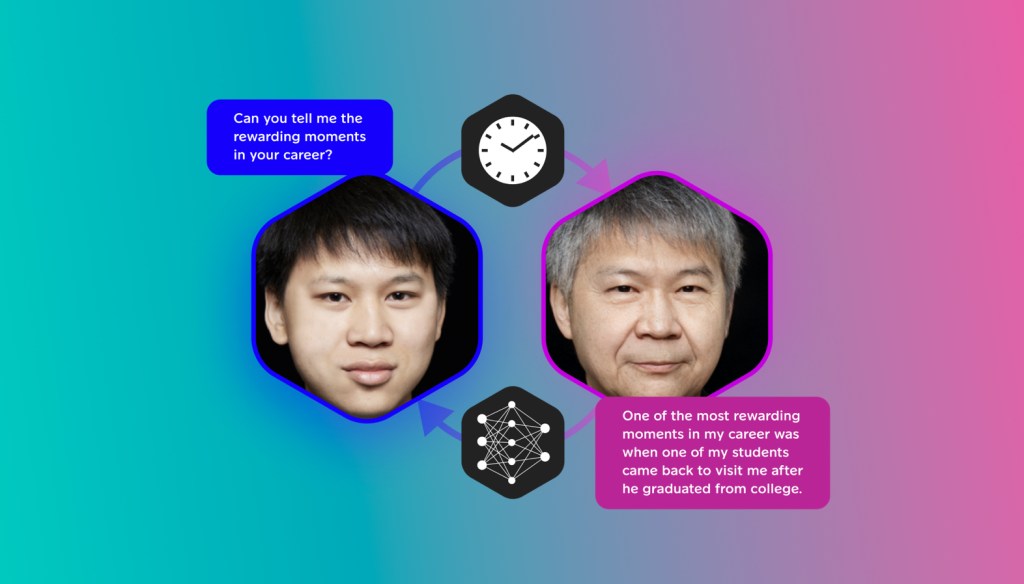
Future You
An Interactive Digital Twin System for Self-Reflection and Personal Growth
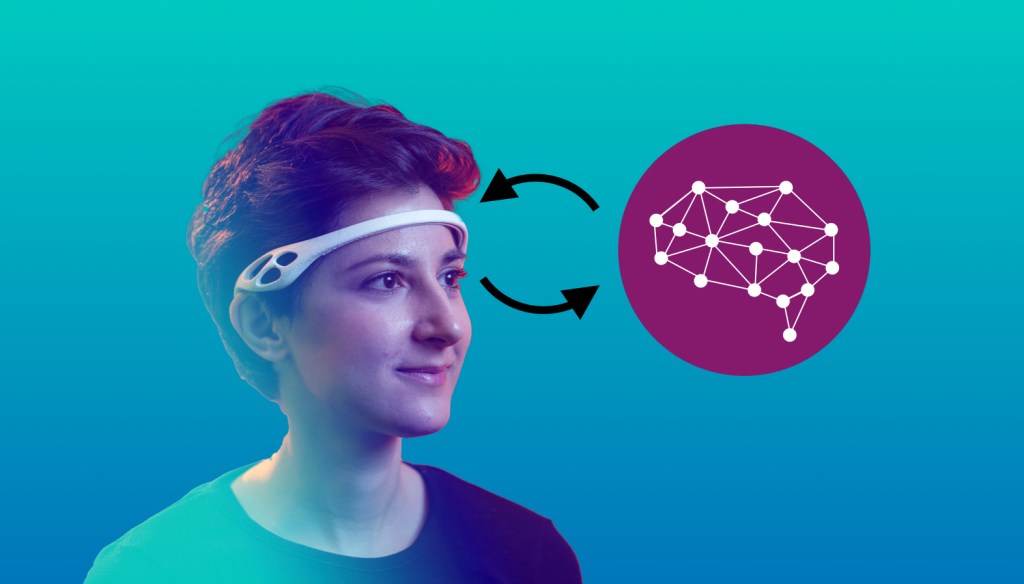
Wearable Reasoner AI
Towards Enhanced Human Rationality through a Wearable AI Assistant
↗ Published in ACM Augmented Humans
↗ https://www.media.mit.edu/projects/wearable-reasoner/overview/
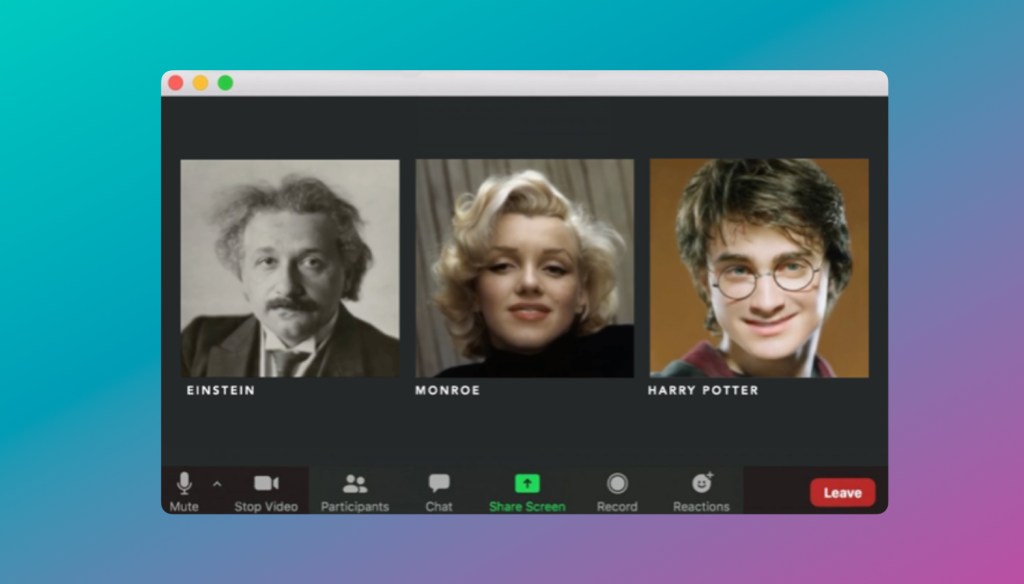
Personalized Learning with AI
AI-generated virtual instructors based on liked or admired people can improve motivation and foster positive emotions for learning
↗ https://www.media.mit.edu/projects/learning-from-virtual-instructors/overview/
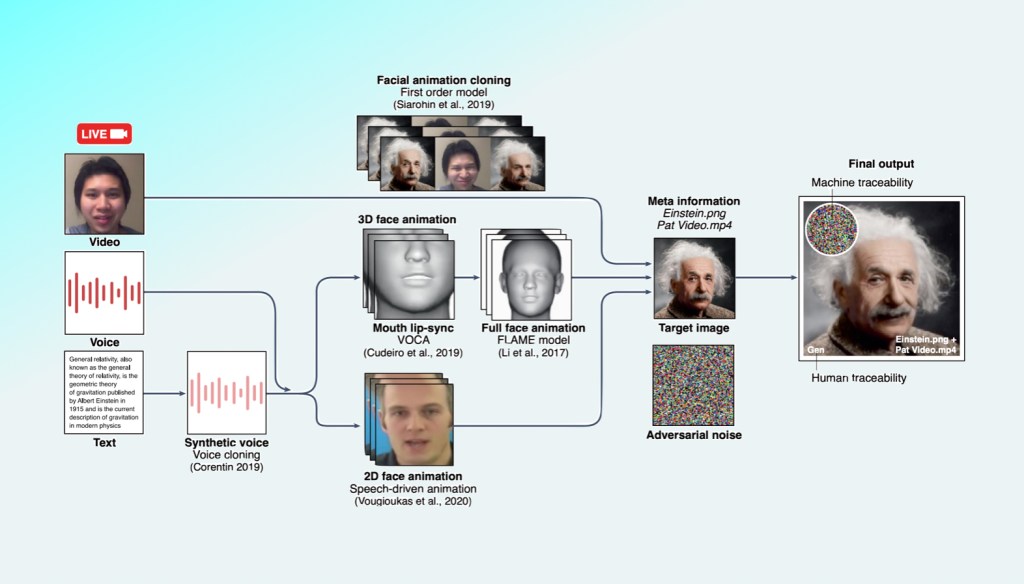
AI-generated Characters
AI-generated characters for supporting personalized learning and well-being
↗ Published in Nature Machine Intelligence
↗ https://www.media.mit.edu/projects/Ai-generated-characters/overview/
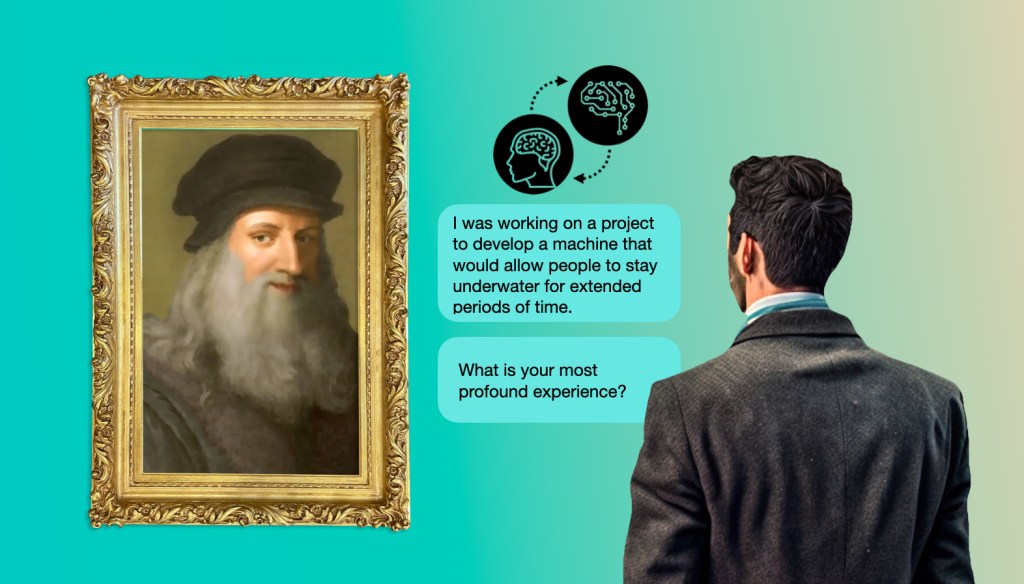
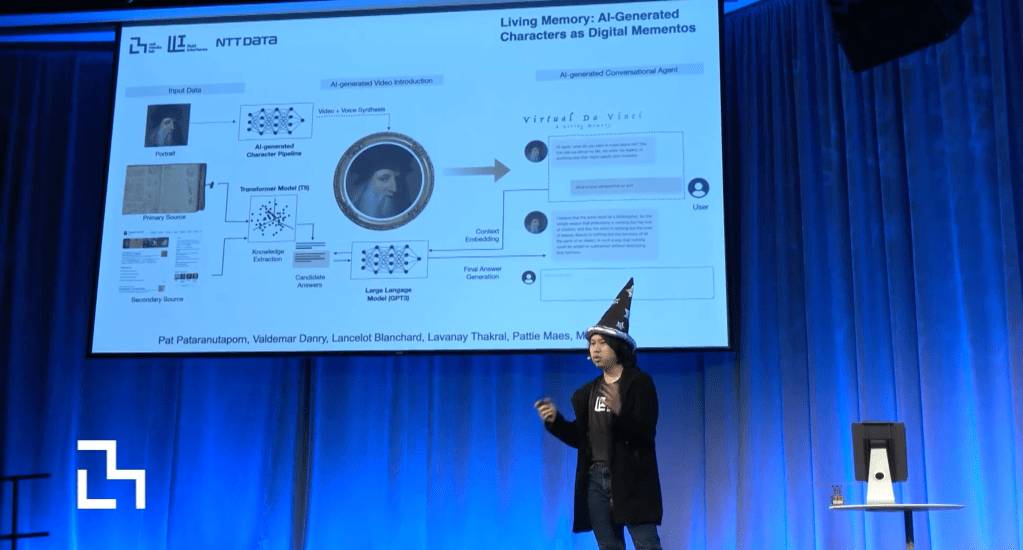
Living Memories
AI-Generated Characters as Digital Mementos
↗ https://www.media.mit.edu/projects/living-memory/overview/
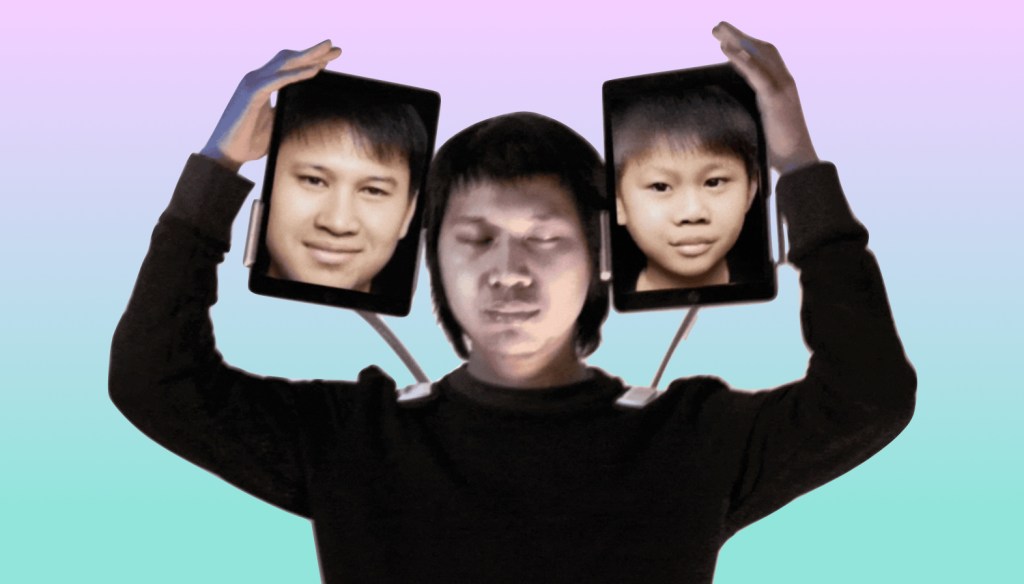
Machinoia
Integrating with Past, Future and Alternative Selves
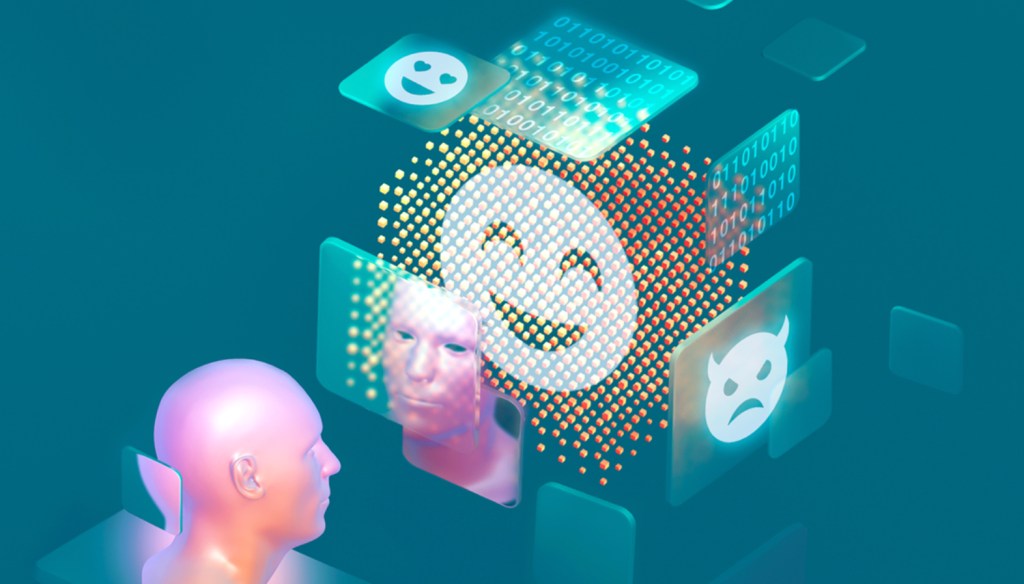
In the AI of the Beholder
Influencing human–AI interaction by priming beliefs about AI can increase perceived trustworthiness, empathy and effectiveness
↗ Published in Nature Machine Intelligence
↗ https://www.media.mit.edu/projects/beliefs-about-ai/overview/

AI-induced False Memories
Synthetic Human Memories: AI-Edited Images and Videos Can Implant False Memories and Distort Recollection
↗ To appear in CHI 2025
↗ https://www.media.mit.edu/projects/ai-false-memories/overview/
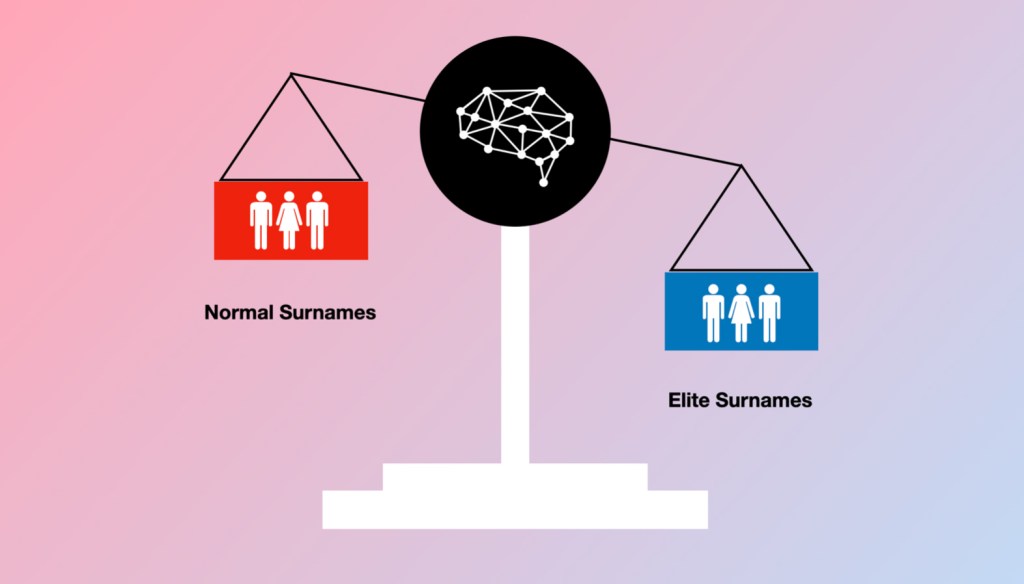
Algorithmic Inheritance
Surname Bias in AI Decisions Reinforces Intergenerational Inequality
↗ https://www.media.mit.edu/projects/algorithmic-inheritance/overview/
Don’t Just Tell Me, Ask Me
AI Systems that Intelligently Frame Explanations as Questions Improve Human Logical Discernment Accuracy over Causal AI explanations
↗ https://www.media.mit.edu/projects/ask-me-don-t-tell-me/overview/
Ocean Chat
The Effect of Virtual Conversational AI Agents on Sustainable Attitude and Behavior Change
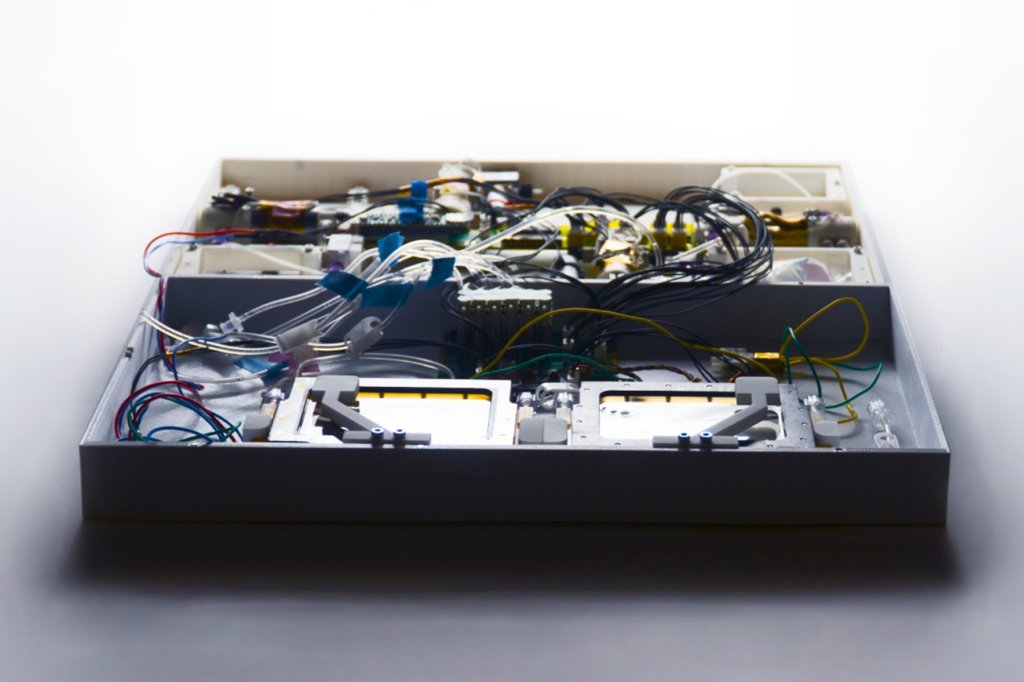
MicroPET
Development and flight-testing of a modular autonomous cultivation system for biological plastics upcycling aboard the International Space Station
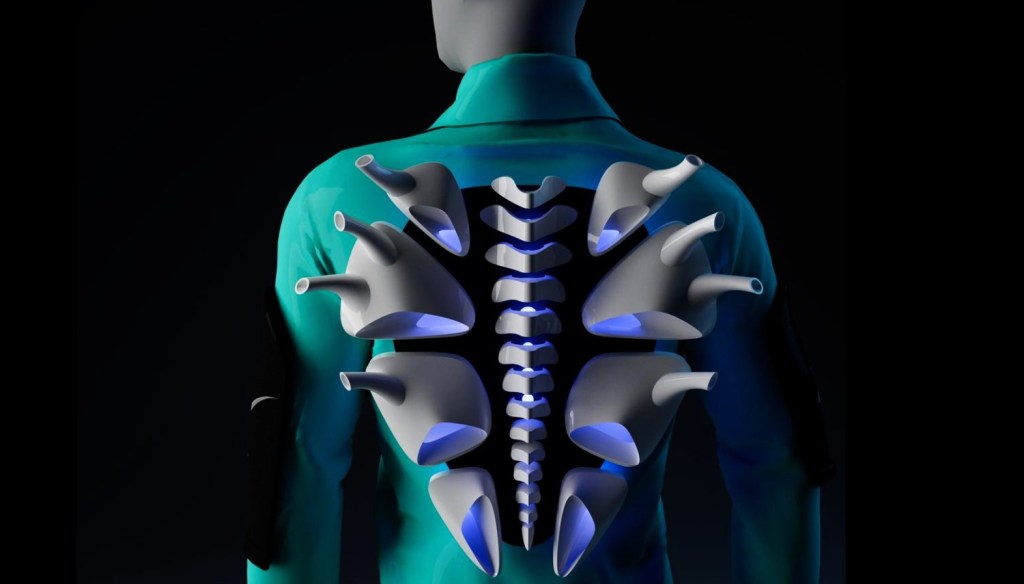
Cyber Biome
A Programmable Bio-digital Organ for On-demand Production of Therapeutics and Biomolecules in Space
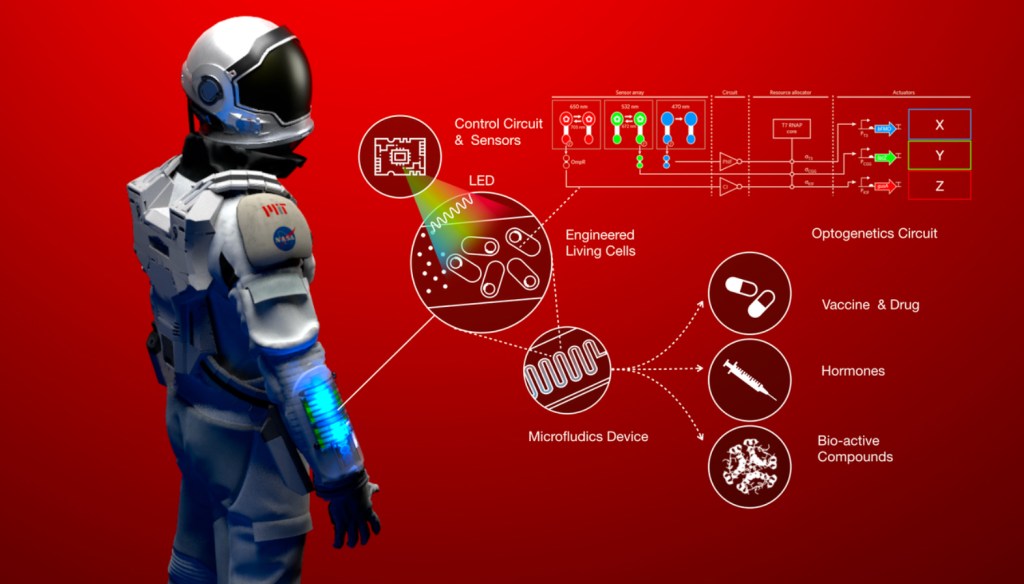
Wearable Lab on Body
Combining Sensing of Biochemical and Digital Markers in a Wearable Device
↗ https://www.media.mit.edu/projects/wearable-lab-on-body/overview/
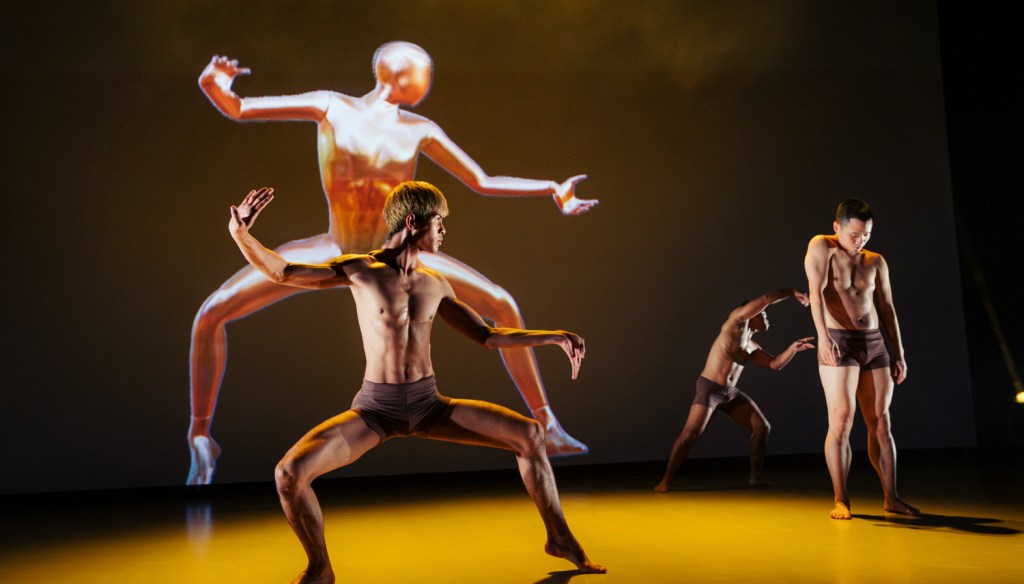
Human-AI Co-Dancing (Cyber Subin)
Evolving Cultural Heritage through Collaborative Choreography with Generative Virtual Characters

The Machine Ghost in the Human Shell
Exploring the Humanized Machines and the Machinized Humans
↗ https://www.kawitav.com/machineghost
↗ https://www.media.mit.edu/projects/the-machine-ghost-in-the-human-shell/overview/
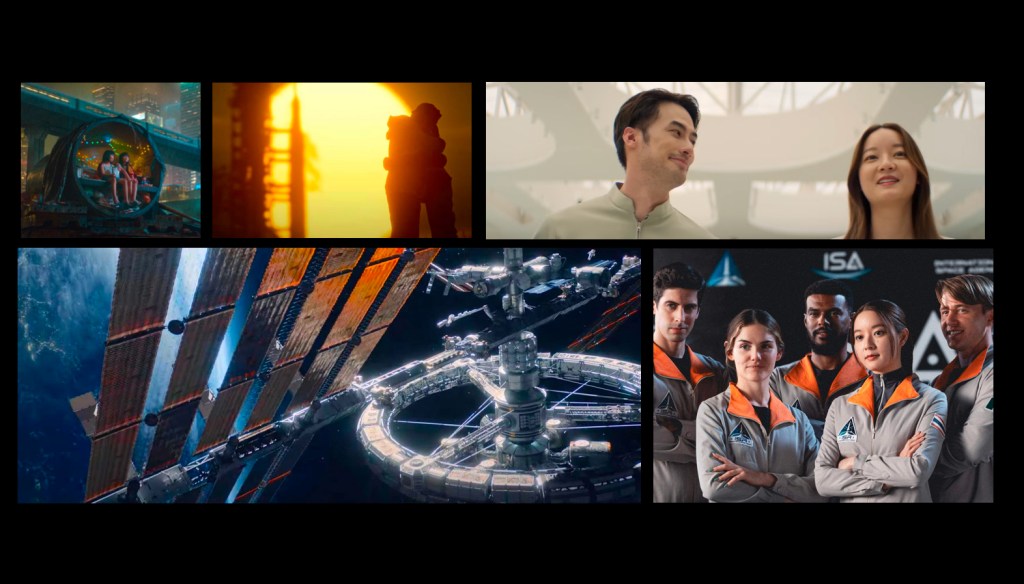
Netflix Tomorrow and I
Sci-fi Anthology Series that Explore the Intersection of Futuristic Technologies and Southeast Asian Culture

Selected Press
International
- UCLA Anderson Review: As AI Advances, Tools to Connect to Your Future Self Grow More Vivid and Useful (January 28, 2026)
- Scientific American: Video evidence and eyewitness accounts: Why people see different things (January 26, 2025)
- The Aspen Ideas to Go Podcast: Can AI make you better?
- The Atlantic: ‘AI Psychosis’ Is a Medical Mystery (December 4, 2025)
- NYTimes: What OpenAI Did When ChatGPT Users Lost Touch With Reality (November 23, 2025)
- Scientific American: Can Digital Ghosts Help Us Heal? (November 18, 2025)
- NYTimes: They Fell in Love With A.I. Chatbots — and Found Something Real (November 5, 2025)
- The Economist: A new industry of AI companions is emerging (November 6, 2025)
- The Guardian: ‘I’m suddenly so angry!’ My strange, unnerving week with an AI ‘friend’ (October 22, 2025)
- MIT Tech Review: It’s surprisingly easy to stumble into a relationship with an AI chatbot (September 24, 2025)
- The Serious Moonlight: The MIT AI Scientist Turned Netflix Sci-Fi Creator |Pat Pataranutaporn brings the state of the art to speculative fiction (August 15, 2025)
- WIRED: Researchers studying the emotional impact of tools like ChatGPT propose a new kind of benchmark that measures a model’s emotional and social impact (August 14, 2025)
- The 402: MIT Study Warns AI Can Implant False Memories Undermining the Integrity of Our Own Minds! (August 10, 2025)
- Bloomberg: AI Doesn’t Just Lie, It Can Make You Believe It (August 9, 2025)
- MIT Tech Review: AI companies have stopped warning you that their chatbots aren’t doctors (July 21, 2025)
- StateScoop: Citing risk to kids, California bill targets controversial AI ‘companion’ chatbots (July 8, 2025)
- TIME: The Dead Have Never Been This Talkative: The Rise of AI Resurrection (June 27, 2025)
- New York Times: They Asked an A.I. Chatbot Questions. The Answers Sent Them Spiraling (June 13, 2025)
- UNDP The 2025 Human Development Report: People and possibilities in the age of AI (May 6, 2025)
- Nature: Supportive? Addictive? Abusive? How AI companions affect our mental health (May 6, 2025)
- New York Times: Say Goodbye to Your Kid’s Imaginary Friend (April 16, 2025)
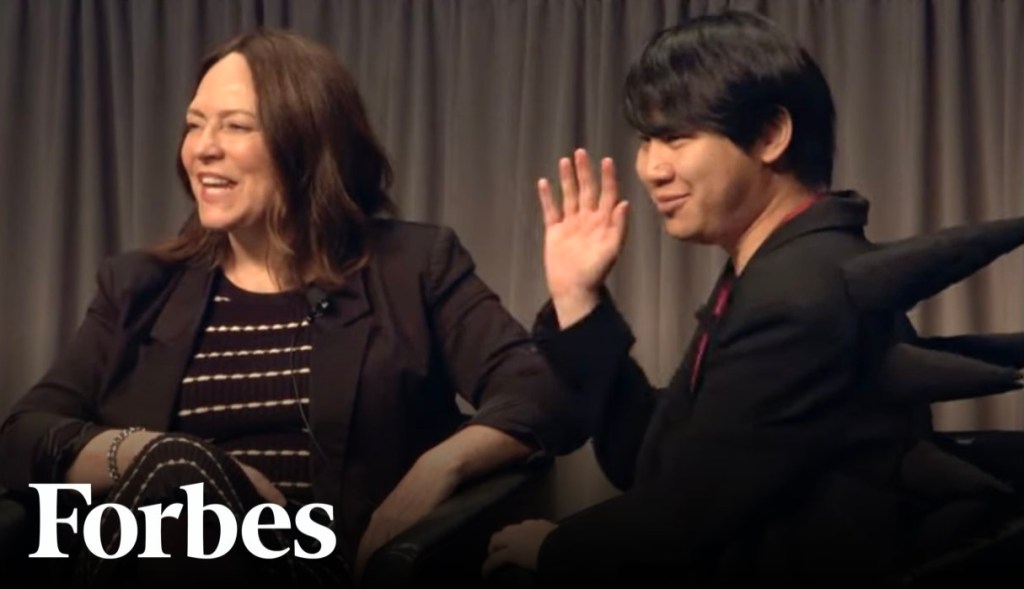
- Forbes: MIT Media Lab To Put Human Flourishing At The Heart Of AI R&D (April 14, 2025)
- Forbes: The Human Cost Of Talking To Machines: Can A Chatbot Really Care? (April 10, 2025)
- Bloomberg: OpenAI Study Finds Links Between ChatGPT Use and Loneliness (March 21, 2025)
- The Guardian: Heavy ChatGPT users tend to be more lonely, suggests research (March 12, 2025)
- The Independent: I spoke to an AI version of my future self – and it might have changed my life (February 16, 2025)
- University of Cambridge The Leverhulme Centre for the Future of Intelligence (CFI): The report: AI Companions for Health and Mental Wellbeing: Opportunities, Risks, and Policy Implications (February 13, 2025)
- MIT Tech Review: An AI chatbot told a user how to kill himself—but the company doesn’t want to “censor” it (February 6, 2025)
- The Wall Street Journal: AI Has Shown Me My Future. Here’s What I’ve Learned (February 1, 2025)
- Washington Post: What connecting to your future self can mean to your present (January 5, 2025)
- The Atlantic: Me, My Future, and I (January 2, 2025)
- MIT News (Front Page): Top research stories of 2024 (December 24, 2024)
- Knowable Magazine: Making friends with your past and future selves (December 11, 2024)
- The Art Newspaper: Artist being electrocuted to show the sinister implications of AI among highlights of the Asia Pacific Triennial of Contemporary Art 11 (December 3, 2024)
- MIT Tech Review: Get advice from your future self (December 23, 2024)
- Forbes: AI Won’t Hide Your Lack Of Skill Or Effort—It May Amplify It (December 18, 2024)
- The Harvard Crimson: Seeing Your Future Self with Future You AI (November 16, 2024)
- European Commission: Want to talk to your much older self? (November 14, 2024)
- Getty: What is Future Fashion? PST ART serves up runway-ready works of art and looks of tomorrow (November 1, 2024)
- Mostly Human: Dear Tomorrow – AI was the stranger in my home (October 23, 2024)
- Vice: Want Life Advice? This AI Turns You Into an Older Version of Yourself (October 15, 2024)
- Tech Redar: This AI tool lets you confront your future self – and you might like what you find (October 8, 2024)
- MIT News (Front Page): AI simulation gives people a glimpse of their potential future self (October 1, 2024)
- Live Science: ‘Future You’ AI lets you speak to a 60-year-old version of yourself — and it has surprising wellbeing benefits (October 11, 2024)
- Forbes: “Time Traveling Via Generative AI By Interacting With Your Future Self” (October 8, 2024)
- Popular Science: “I spoke to a 60-year-old AI version of myself” (October 3, 2024)
- Netflix: “Tomorrow and I”: Geeked Week Reveals First Look at Sci-fi Anthology Series
- New Scientist: AI tweaks to photos and videos can alter our memories (September 26, 2024)
- FastCompany: Here’s what happens when humans and AI dance together (September 24, 2024)
- Computer Weekly: Will autonomous weapons make humans passive participants in war? (September 16, 2024)
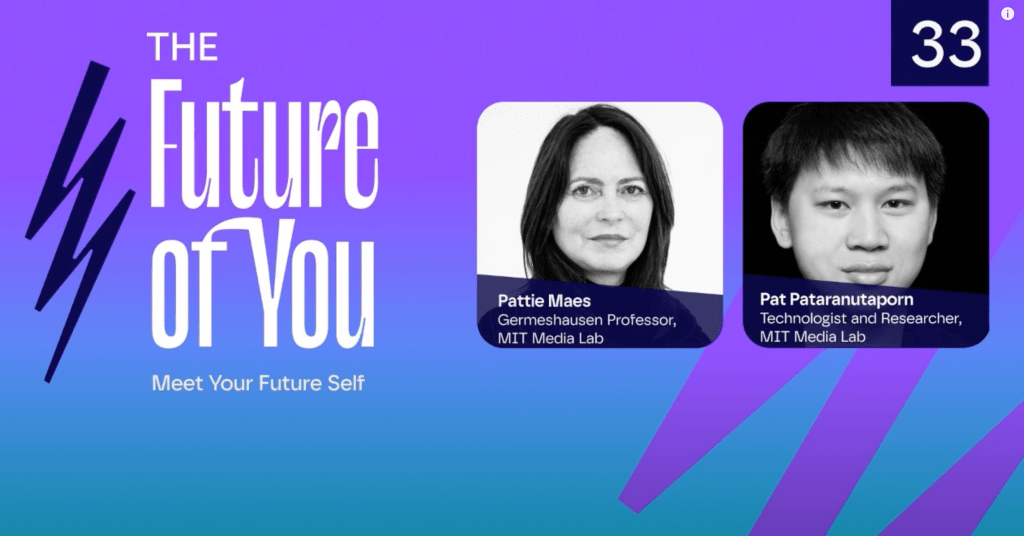
- The Future of You Podcast: Meet Your Future Self #33 (September 6, 2024)
- The Atlantic: A New Tool to Warp Reality: A growing body of research shows how chatbots can subtly mislead users—and even implant false memories (August 30, 2024).
- Forbes: Dancing With AI In The Digital Age (August 27, 2024)
- ABC Listen (Melbourne): What would you ask your future self? (August 16, 2024)
- MIT Tech Review: Here’s how people are actually using AI: Something peculiar and slightly unexpected has happened: people have started forming relationships with AI systems (August 12, 2024).
- The Guardian: AI researchers build ‘future self’ chatbot to inspire wise life choices (June 5, 2024)
- Art Review: The Domestic Horror of Kawita Vatanajyankur – The Machine Ghost in the Human Shell in collaboration Pat Pataranutaporn (June 20, 2024)
- TechXplore: Future-self chatbot gives users a glimpse of the life ahead of them (June 5, 2024)
- BBC World Business Report: AI chatbot that mirrors the “future you” (June 5, 2024)
- BBC World Interview: Advice from your future self, the chatbot offering life lessons from what AI thinks you’ll be like at sixty (June 5, 2024)
- Scientific American: How New Science Fiction Could Help Us Improve AI (May 16, 2024)
- The Happiness Lab with Dr. Laurie Santos: Does the You of Today Hate the You of Tomorrow?
- Forbes: Rethinking How AI And Humans Interact To Get The Best Of Both (May 8, 2024)
- Scientific American: The Assumptions You Bring into Conversation with an AI Bot Influence What It Says (October 2, 2023)
- Futurism: AI Chatbots Are Only Useful If You Think They Are, Scientists Find (July 19, 2023)
- Forbes: What If The Cyborg Is You? – Check Out The ‘Machine Of Multiple Me’ (October 25, 2023)
- Axios: Placebo effect shapes how we see AI (October 6, 2023)
- Forbes: MIT Media Lab Fluid Interfaces-Prof Maes Team 2022 Top Research Powering Humans (June 22, 2022)
- Marshable: Why are we sending a plastic-eating enzyme to space? (January 26, 2023)
- Fastcompany: This company is sending plastic-eating enzymes into space (November 21, 2022)
- Interesting Engineering: Study shows we can be convinced an AI chatbot is trustworthy (October 2, 2023)
- Techxplore: Study shows users can be primed to believe certain things about an AI chatbot’s motives, influencing their interactions (October 2, 2023)
- Psychology Today: Horse Sense About AI (October 11, 2023)
- TIME: Breaking Down Plastics (October 24, 2023)
- Prestige: Pat Pataranutaporn on Exploring the Intersection of Humans and Artificial Intelligence (September 16, 2023)
- MIT Technology Review: A chatbot that asks questions could help you spot when it makes no sense (April 28, 2023)
- MIT News: Characters for good, created by artificial intelligence (December 16, 2021)
- MIT News: Is AI in the eye of the beholder? (October 2, 2023)
- MIT News: Life in space: Preparing for an increasingly tangible reality (July 28, 2021)
- The Guardian: Biomimicry: using nature’s designs to transform agriculture (October 30, 2015)
- Art4D: Pat Pataranutaporn: Doreamon, Terminator, and AI (October 27, 2023)
- Art4D: AI IS RISING. HOW DO ARTISTS SURVIVE? (September 8, 2023)
- Techsauce: Beyond the Elephant in the Room MIT Media Lab Southeast Asia Forum 2022: Unleashing Endless Possibilities (December 23, 2022)
- Techsauce: Unlocking the Future: What we gathered from MIT Media Lab Southeast Asia Forum 2022 (January 5, 2023)
- FastCompany: Nature-inspired designs to make our food systems more sustainable (October 13, 2015)
Thailand
- The 101 World: Cyborg Generation: ฉายภาพอนาคตเทคโนโลยีเเละการเรียนรู้ของเด็กยุคเอไอกับ ‘พัทน์ ภัทรนุธาพร’
- BangkokBiz: พัทน์ ภัทรนุธาพร นักวิจัย MIT สำรวจ มนุษย์ AI การศึกษาไทย ในเวทีโลก
- RoundFinger: ‘อนาฅต’ เรื่องชวนคิดต่อจากซีรีส์ดัง / สันติธาร x พีพี x นิ้วกลม
- Scientist ติสท์แตก: วิทยาศาสตร์กับอนาฅต ?
- WitCast: คุยซีรีส์ Netflix อนาคต (Tomorrow and i) กับผู้สร้าง พีพี พัทน์ ภัทรนุธาพร
- WiTCast: สัมภาษณ์พีพี Cyborg Psychology งานวิจัยล้ำๆ จาก MIT Media Lab
- TAP’S TALK: คุยเรื่อง ‘พื้นที่ปลอดภัย’ กับ พีพี พัทน์
- Ground Control: เราต้องจินตนาการถึงอนาคตจากพื้นที่ของเราให้ได้” ภาพฝันสังคมไทยในยุคเทคโนโลยี ของ พีพี – พัทน์ ภัทรนุธาพร นักวิทยาศาสตร์ MIT ผู้สร้างซีรีส์ ‘อนาฅต
- Spin9: ลองใช้ AI สร้างตัวเองในเวอร์ชั่นอายุ 60
- The 101 World: “มีแต่มนุษย์เท่านั้นที่ต้องคิดว่าเราจะเป็นมนุษย์แบบไหน” หาสมดุลของอนาคต เมื่อมนุษย์และเอไอรวมเป็นหนึ่ง กับ พัทน์ ภัทรนุธาพร
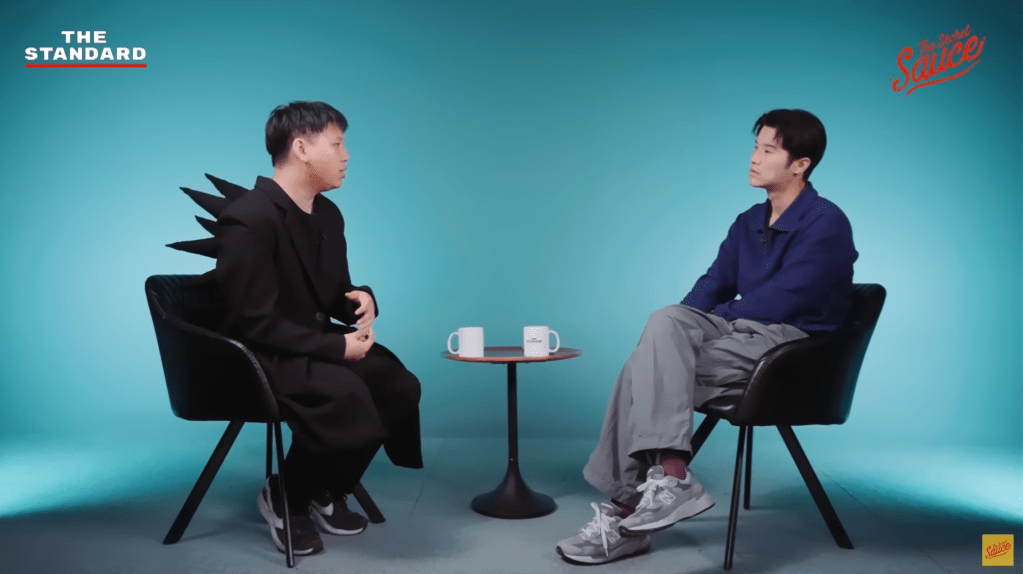
- The Secret Sauce: จิตวิทยาไซบอร์ก งานวิจัยระดับโลกโดยคนไทย
- Salmon Podcast โตมายังไง : พีพี-พัทน์ ภัทรนุธาพร จากเด็กปัตตานี สู่ MIT Media Lab
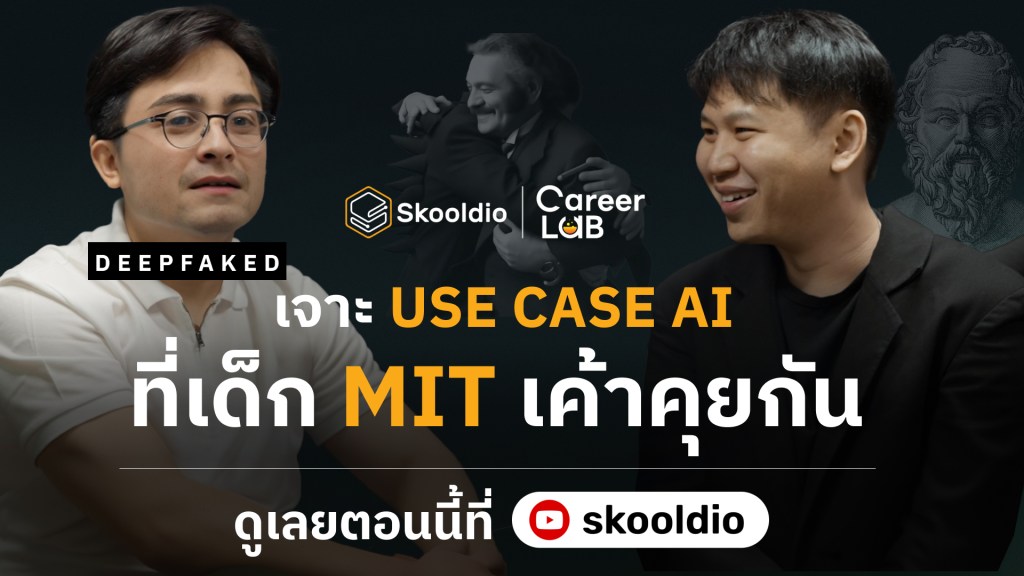
- Career Lab: เจาะ Use Case AI ที่เด็ก MIT เค้าคุยกัน
- Thai PBS คุยนอกกรอบ กับ สุทธิชัย หยุ่น: “ไดโนเสาร์” ผู้ออกแบบอนาคต เด็กไทยในวงการวิทยาศาสตร์โลก
- The 101 World: ไดโนเสาร์ติดปีก นักประดิษฐ์อนาคต : พัทน์ ภัทรนุธาพร เด็กไทยในวงการวิทยาศาสตร์โลก
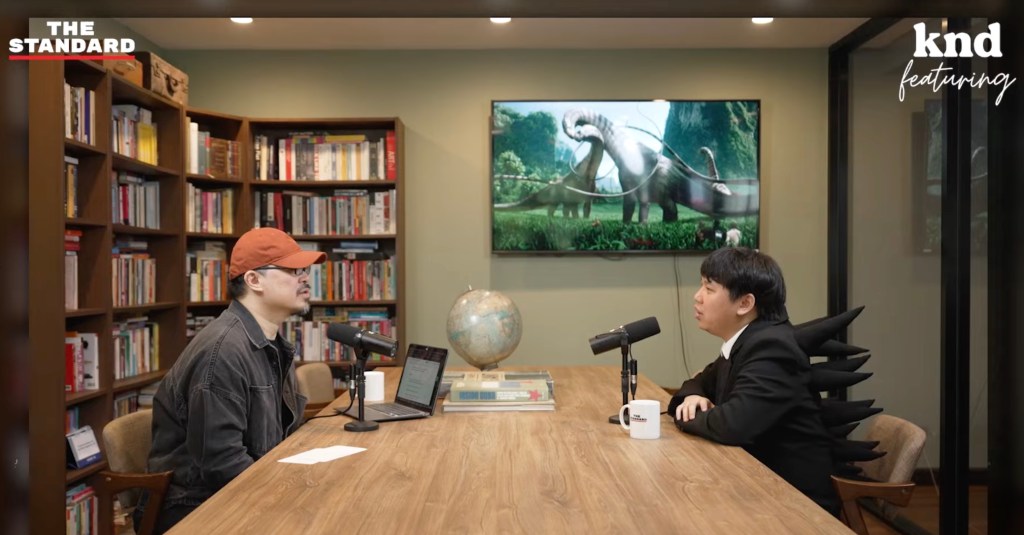
- The Standard: บุก MIT Media Lab กับ พีพี พัทน์ ภัทรนุธาพร คนไทยหนึ่งเดียวในรอบ 20 ปี
- National Geographic: พัทน์ ภัทรนุธาพร เด็กไทยใน MIT Media Lab ศูนย์วิจัยนวัตกรรมเพื่อโลกอนาคต
- The Kommon: ไม่ใช่แค่พื้นที่ แต่ต้องมีเสรีภาพในการคิด : คุยเรื่องเมกเกอร์สเปซ กับ พัทน์ ภัทรนุธาพร ผู้ก่อตั้ง Freak Lab ประเทศไทย
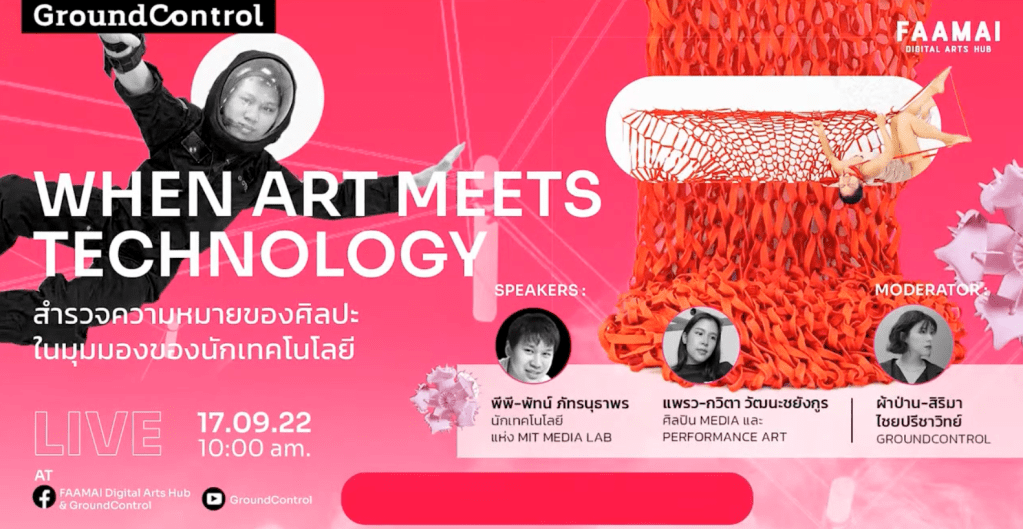
- Ground Control: พีพี-พัทน์ ภัทรนุธาพร นักเทคโนโลยีแห่ง MIT Media Lab ผู้ผนวกรวมวิทยาศาสตร์และศิลปะเข้าด้วยกัน
- Techsauce: ถอดรหัส Cyborg Health เทคโนโลยีเพื่อการแพทย์ แห่งโลกอนาคตจาก MIT Media Lab
- Techsauce: มนุษย์เป็นส่วนหนึ่งกับ AI เป็นไปได้แค่ไหน? พร้อมบุก MIT Media Lab
- a day: พัทน์ ภัทรนุธาพร: ในวันที่หุ่นยนต์กลายเป็นพระเจ้า โลกของเราจะเหมือนในหนังไซไฟแค่ไหน
- Art4D: Pat Pataranutaporn: Doreamon, Terminator, and AI
- Thai PBS: ไซบอร์ก แบคทีเรีย อวกาศ: คุยกับ “พีพี” นักนวัตกรรมอนาคต (1) | EP.87 | Starstuff เรื่องเล่าจากดวงดาว
- SPACETH: พัทน์ ภัทรนุธาพร: เล่าประสบการณ์วิจัยใน Zero-G ครั้งแรก กับ MIT Media Lab
- Salmon Podcast: วิทยาศาสตร์และอนาคตของความเป็นมนุษย์ feat. พัทน์ ภัทรนุธาพร | Grey Area EP14
- Thai PBS World Talk “Technologist defining the future”
- PPTV: บุก Metaverse โลกแห่งอนาคต กับ “พีพี-พัทน์” นักวิทยาศาสตร์ ไทยใน MIT Lab | กาแฟดำ Double Shot EP33 | สุทธิชัย หยุ่น
- PPTV: นักวิจัยไทยแนะ พัฒนา “เอไอ” เพื่อยกระดับมนุษย์ ไม่ใช่เหนือกว่าและละทิ้งมนุษย์
Academic Experiences
- Program Committee member for the ACM CHI (2026), ACM Augmented Humans (2026), AAAI/ACM Conference on AI, Ethics, and Society (2025)
- Co-founder and co-director of MIT’s Advancing Human-AI Interaction (AHA) Research Program
- Reviewer for Nature, Nature Human Behavior, Nature Mental Health, iScience, ACM CHI (2019, 2020, 2021, 2022, 2023, 2024, 2025, 2026), ACM DIS (2019, 2020, 2022, 2023, 2025), ACM TEI (2026), IEEE ISMAR (2022, 2023, 2025), IEEE VR (2021), and International Journal of Human-Computer Interaction.
- Topic Coordinator, Frontiers in Computer Science: Microbes in Human-Computer Interaction
- Guest editor, IEEE Sensors Journal Special Issue on Advances and Current Trends in Sensing Physiological Parameters for Human Wellness and Patient Monitoring 2020
- Co-Chair of Educator Track, ACM FabLearn Asia 2020, Bangkok, Thailand
- Co-Chair of Workshop and Demo Track, ACM FabLearn Asia 2020, Bangkok, Thailand
- Member of the curatorial research team for Venice Biennale of Architecture 2020 with MIT School of Architecture + Planning
- Fun fact : I help designed the logo for MIT Hyperloop team that won the award 🙂
Selected Publications
For the most recent publications, please visit Pat’s Google Scholar Profile – Last Update (November 2024)
Op-ed Essays
2024 – MIT Technology Review: We need to prepare for ‘addictive intelligence’: The allure of AI companions is hard to resist. Here’s how innovation in regulation can help protect people by Robert Mahari and Pat Pataranutaporn (August 5, 2024)
2024 – The Wall Street Journal: A 14-Year-Old Boy Killed Himself to Get Closer to a Chatbot. He Thought They Were In Love by Sherry Turkle and Pat Pataranutaporn (November 8, 2024)
Conferences
Pataranutaporn, P., Mano, P., Bhongse-Tong, P., Chongchadklang, T., Archiwaranguprok, C., Hantrakul, L., … & Klunchun, P. (2024, May). Human-AI Co-Dancing: Evolving Cultural Heritage through Collaborative Choreography with Generative Virtual Characters. In Proceedings of the 9th International Conference on Movement and Computing (pp. 1-10).
Pataranutaporn, P.*, Pillis, D.*, Maes, P., & Sra, M. (2024). AI comes out of the closet: Using AI-Generated Virtual Characters to Help Individuals Practice LGBTQIA+ Advocacy. In ACM Proceedings of the 29th International Conference on Intelligent User Interfaces.
Pataranutaporn, P.*, Archiwaranguprok, C.*, Mano, P., Bhongse-tong, P., Maes, P., & Klunchun, P. (2024). Text2Tradition: From Epistemological Tensions to AI-Mediated Cross-Cultural Co-Creation. In NeurIPS Creative AI Track.
Prasongpongchai, T., Pataranutaporn, P., Kanapornchai, C., Lapapirojn, A., Ouppaphan, P., Winson, K., … & Maes, P. (2024, July). Interactive ai-generated virtual instructors enhance learning motivation and engagement in financial education. In International Conference on Artificial Intelligence in Education (pp. 217-225). Cham: Springer Nature Switzerland.
Prasongpongchai, T., Pataranutaporn, P., Lertsutthiwong, M., & Maes, P. (2025). Talk to the Hand: LLM-powered Chatbot with Visual Pointer as Proactive Companion in Financial Planning Task. (Under Review).
Pataranutaporn, P.*, Archiwaranguprok, C.*, Mano, P., Bhongse-tong, P., Maes, P., & Klunchun, P. (2024). Open Dance Lab: Digital Platform for Examining, Experimenting, and Evolving Intangible Cultural Heritage. In Proceedings of the ACM/IEEE Joint Conference on Digital Libraries.
Yin, P.*, Pataranutaporn, P.*, Winson, K.*, Lapapirojn, A., Ouppaphan, P., Lertsutthiwong, M., Prasongpongchai, T., Maes, P., & Hershfield, H. (2024). Autonoetic Intelligence: A Human-AI System for Intertemporal Perspective Taking. In NeurIPS Creative AI Track.
Pataranutaporn, P., Archiwaranguprok, C., Chan, S. W. T., Loftus, E., & Maes, P. (2024). Synthetic Human Memories: AI-Edited Images and Videos Can Implant False Memories and Distort Recollection (Under Review).
Liu, A. R., Pataranutaporn, P., Turkle, S., & Maes, P. (2025). Chatbot Companionship: Exploring the Relationship Between Companion Chatbot Usage and Loneliness. (Under Review).
Agarwal, G., Dunnell, K., Pataranutaporn, P., Lippman, A., & Maes, P. (2024). OpenOpenAI and Alternate Altman: Democratizing the Future of AI through Speculative Participatory Media. In NeurIPS Creative AI Track.
Dunnell, K., Agarwal, G., Pataranutaporn, P., Lippman, A., & Maes, P. (2024, May). AI-Generated Media for Exploring Alternate Realities. In Extended Abstracts of the CHI Conference on Human Factors in Computing Systems (pp. 1-8).
Shekar, S.*, Pataranutaporn, P.*, Sarabu, C., Cecchi, G., Maes, P. (2024). People trust AI-generated medical responses and view them to be as valid as doctors, despite low accuracy. In The New England Journal of Medicine AI (NEJM AI).
Leong, J., Pataranutaporn, P., Danry, V., Perteneder, F., Mao, Y., & Maes, P. (2024, May). Putting Things into Context: Generative AI-Enabled Context Personalization for Vocabulary Learning Improves Learning Motivation. In Proceedings of the CHI Conference on Human Factors in Computing Systems (pp. 1-15).
Pataranutaporn, P.*, Liu, R.*, Finn, E., & Maes, P. (2023). Influencing human–AI interaction by priming beliefs about AI can increase perceived trustworthiness, empathy and effectiveness. Nature Machine Intelligence, 1-11.
Danry, V., Pataranutaporn, P., Mao, Y., & Maes, P. (2023, April). Don’t Just Tell Me, Ask Me: AI Systems that Intelligently Frame Explanations as Questions Improve Human Logical Discernment Accuracy over Causal AI explanations. In Proceedings of the 2023 CHI Conference on Human Factors in Computing Systems (pp. 1-13).
Pataranutaporn, P., Danry, V., Blanchard, L., Thakral, L., Ohsugi, N., Maes, P., & Sra, M. (2023, March). Living Memories: AI-Generated Characters as Digital Mementos. In ACM Proceedings of the 28th International Conference on Intelligent User Interfaces (pp. 889-901).
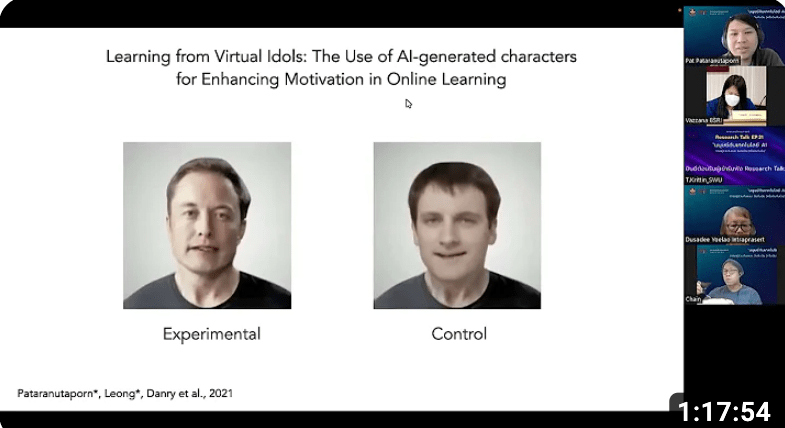
Pataranutaporn, P.*, Leong, J*., Danry, V., Lawson, A. P., Maes, P., & Sra, M. (2022, October). AI-generated virtual instructors based on liked or admired people can improve motivation and foster positive emotions for learning. In 2022 IEEE Frontiers in Education Conference (FIE) (pp. 1-9). IEEE.
Tandon, P., Chandak, S., Pataranutaporn, P., Liu, Y., Mapuranga, A. M., Maes, P., … & Sra, M. (2022). Txt2vid: Ultra-low bitrate compression of talking-head videos via text. IEEE Journal on Selected Areas in Communications, 41(1), 107-118.
Perry, E., Weber, J., Pataranutaporn, P., Volf, V., Gonzalez, L. M., Nejad, S., … & Kong, D. (2022). How to grow (almost) anything: a hybrid distance learning model for global laboratory-based synthetic biology education. Nature Biotechnology, 40(12), 1874-1879.
Danry, V., Leong, J., Pataranutaporn, P., Tandon, P., Liu, Y., Shilkrot, R., … & Sra, M. (2022, April). AI-Generated Characters: putting Deepfakes to Good Use. In CHI Conference on Human Factors in Computing Systems Extended Abstracts (pp. 1-5).
Danry, V., Pataranutaporn, P., Epstein, Z., Groh, M., & Maes, P. (2022). Deceptive AI Systems That Give Explanations Are Just as Convincing as Honest AI Systems in Human-Machine Decision Making. arXiv preprint arXiv:2210.08960 (Under review at Science Advances).
Pataranutaporn, P., Sumini, V., Yashar, M., Testa, S., Obrist, M., Davidoff, S., … & Maes, P. (2022, April). SpaceCHI 2.0: Advancing Human-Computer Interaction Systems for Space Exploration. In CHI Conference on Human Factors in Computing Systems Extended Abstracts (pp. 1-7).
Danry, V., Pataranutaporn, P., Mueller, F., Maes, P., & Leigh, S. W. (2022, March). On Eliciting a Sense of Self when Integrating with Computers. In Proceedings of the Augmented Humans International Conference 2022 (pp. 68-81).
Pataranutaporn, P., Danry, V., Leong, J., Punpongsanon, P., Novy, D., Maes, P., & Sra, M. (2021). AI-generated characters for supporting personalized learning and well-being. Nature Machine Intelligence, 3(12), 1013-1022.
Pataranutaporn, P., Sumini, V., Ekblaw, A., Yashar, M., Häuplik-Meusburger, S., Testa, S., … & Maes, P. (2021, May). SpaceCHI: Designing Human-Computer Interaction Systems for Space Exploration. In Extended Abstracts of the 2021 CHI Conference on Human Factors in Computing Systems (pp. 1-6).
Kim, R., Pataranutaporn, P., Forman, J., Lee, S. A., Riedel-Kruse, I. H., Alistar, M., … & Poslad, S. (2021, May). Microbe-HCI: Introduction and Directions for Growth. In Extended Abstracts of the 2021 CHI Conference on Human Factors in Computing Systems (pp. 1-4).
Pataranutaporn, P., Danry, V., & Maes, P. (2021, May). Machinoia, Machine of Multiple Me: Integrating with Past, Future and Alternative Selves. In Extended Abstracts of the 2021 CHI Conference on Human Factors in Computing Systems (pp. 1-7).
Leong, J., Pataranutaporn, P., Mao, Y., Perteneder, F., Hoque, E., Baker, J. M., & Maes, P. (2021, May). Exploring the use of real-time camera filters on embodiment and creativity. In Extended Abstracts of the 2021 CHI Conference on Human Factors in Computing Systems (pp. 1-7).
Danry, V., Pataranutaporn, P., Haar Horowitz, A., Strohmeier, P., Andres, J., Patibanda, R., … & Semertzidis, N. (2021, May). Do cyborgs dream of electric limbs? Experiential factors in human-computer integration design and evaluation. In Extended Abstracts of the 2021 CHI Conference on Human Factors in Computing Systems (pp. 1-6).
Pataranutaporn, P., Vujic, A., Kong, D. S., Maes, P., & Sra, M. (2020, March). Living Bits: Opportunities and Challenges for Integrating Living Microorganisms in Human-Computer Interaction. In Proceedings of the Augmented Humans International Conference (pp. 1-12). https://doi.org/10.1145/3384657.3384783 🏆 ACM AHs 20′ Best Paper
Danry, V., Pataranutaporn, P., Mao, Y., & Maes, P. (2020, March). Wearable Reasoner: Towards Enhanced Human Rationality Through A Wearable Device With An Explainable AI Assistant. In Proceedings of the Augmented Humans International Conference (pp. 1-12).https://doi.org/10.1145/3384657.3384799
Pataranutaporn, P., Vega Gálvez, T., Yoo, L., Chhetri, A., & Maes, P. (2020, April). Wearable Wisdom: An Intelligent Audio-Based System for Mediating Wisdom and Advice. In Extended Abstracts of the 2020 CHI Conference on Human Factors in Computing Systems (pp. 1-8). https://doi.org/10.1145/3334480.3383092
Jones, N., Jaques, N., Pataranutaporn, P., Ghandeharioun, A., & Picard, R. (2019, September). Analysis of Online Suicide Risk with Document Embeddings and Latent Dirichlet Allocation. In 2019 8th International Conference on Affective Computing and Intelligent Interaction Workshops and Demos (ACIIW) (pp. 1-5). IEEE. https://doi.org/10.1109/ACIIW.2019.8925077
Pataranutaporn, P., Jain, A., Johnson, C. M., Shah, P., & Maes, P. (2019, July). Wearable Lab on Body: Combining Sensing of Biochemical and Digital Markers in a Wearable Device. In 2019 41st Annual International Conference of the IEEE Engineering in Medicine and Biology Society (EMBC) (pp. 3327-3332). IEEE https://doi.org/10.1109/EMBC.2019.8857479
Jones, N., Jaques, N., Pataranutaporn, P., Ghandeharioun, A., & Picard, R. (2019, September). Analysis of Online Suicide Risk with Document Embeddings and Latent Dirichlet Allocation. In 2019 8th International Conference on Affective Computing and Intelligent Interaction Workshops and Demos (ACIIW) (pp. 1-5). IEEE https://doi.org/10.1109/ACIIW.2019.8925077
Pataranutaporn, P., Ngamarunchot, B., Chaovavanich, K., Chatwiriyachai, S., Ngamkajornwiwat, P., Ninyawee, N., & Surareungchai, W. (2019, October). Buddha Bot: The Exploration of Embodied Spiritual Machine in Chatbot. In Proceedings of the Future Technologies Conference (pp. 589-595). Springer, Cham. https://link.springer.com/chapter/10.1007/978-3-030-32523-7_42
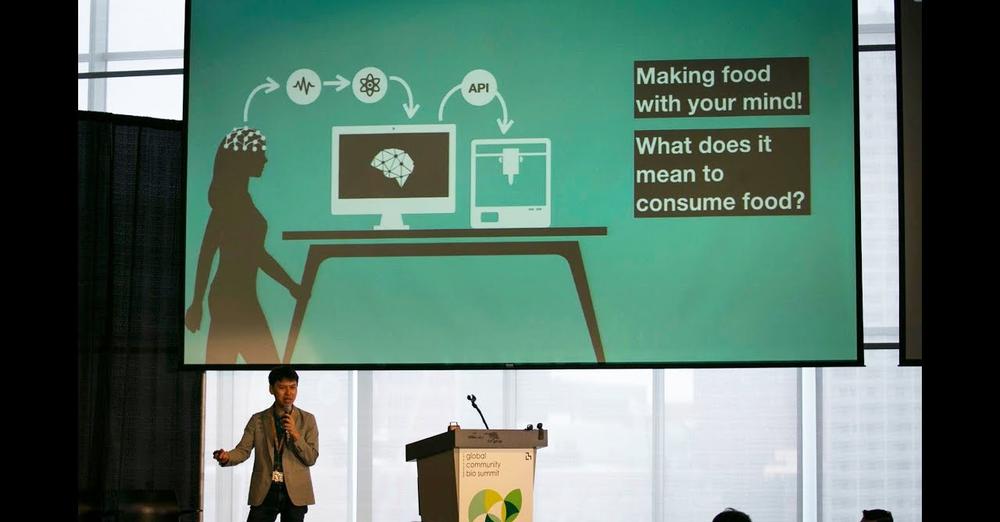
Ninyawee, N., Thintawornkul, T., Pataranutaporn, P., Ngamarunchot, B., Itthipuripat, S. S., Wilaiprasitporn, T., … & Surareungchai, W. (2019, October). Making Food with the Mind: Integrating Brain-Computer Interface and 3D Food Fabrication. In Proceedings of the Future Technologies Conference (pp. 239-247). Springer, Cham. https://link.springer.com/chapter/10.1007/978-3-030-32520-6_19
Subsoontom, P., Ounjai, P., Naarmkaiornwiwat, P., Sakulkueakulsuk, B., Pensupha, N., Surareungchai, W., & Pataranutapom, P. (2018, December). Hack Biodesign: An Integrative STEAM Education Platform for Biology, Engineering, and Design. In 2018 IEEE International Conference on Teaching, Assessment, and Learning for Engineering (TALE) (pp. 1016-1021). IEEE https://doi.org/10.1109/TALE.2018.8615404.
Sakulkueakulsuk, B., Witoon, S., Ngarmkajornwiwat, P., Pataranutapom, P., Surareungchai, W., Pataranutaporn, P., & Subsoontorn, P. (2018, December). Kids making AI: Integrating Machine Learning, Gamification, and Social Context in STEM Education. In 2018 IEEE International Conference on Teaching, Assessment, and Learning for Engineering (TALE) (pp. 1005-1010). IEEE https://doi.org/10.1109/TALE.2018.8615249.
Pataranutaporn, P., & Ngamarunchot, B. (2018, December). Genomix Mask: AI and the complex web of life. In SIGGRAPH Asia 2018 Art Gallery (p. 15). ACM https://doi.org/10.1145/3282805.3282820.
Mihaleva, G., & Pataranutaporn, P. (2018, October). Sense: coral reef inspired and responsive dress. In Proceedings of the 2018 ACM International Symposium on Wearable Computers (pp. 290-294). ACM https://doi.org/10.1145/3267242.3267294.
Pataranutaporn, P., De La Vega, J. S., Chowdhury, A., Ng, A., & Mihaleva, G. (2018, August). Toward Growable Robot: Exploring and Integrating Flexible–Biological Matter with Electronics. In 2018 International Flexible Electronics Technology Conference (IFETC) (pp. 1-4). IEEE https://doi.org/10.1109/IFETC.2018.8584034.
Pataranutaporn, P., & Lyle, K. (2018, July). Toward Human-Magic Interaction: Interfacing Biological, Tangible, and Cultural Technology. In International Conference on Human-Computer Interaction (pp. 213-221). Springer, Cham https://doi.org/10.1007/978-3-319-92285-0_30.
Pataranutaporn, P., Ingalls, T. and Finn, E. (2018) Biological HCI : Towards Integrative Interfaces Between People , Computer , and Biological Materials, in ACM Conference on Human Factors in Computing Systems Conference on Human Factors in Computing Systems. doi: https://doi.org/10.1145/3170427.3188662.
Agurto, C., Pataranutaporn, P., Eyigoz, E. K., Stolovitzky, G., & Cecchi, G. (2018, January). Predictive linguistic markers of suicidality in poets. In 2018 IEEE 12th International Conference on Semantic Computing (ICSC) (pp. 282-285). IEEE https://doi.org/10.1109/ICSC.2018.00051
Suwinyattichaiporn, T., Varghese, S., & Pataranutaporn, P. (2018). An Exploratory Study Examining the Use of Virtual Reality in Intercultural Communication Education. In International Communication Association.
Pataranutaporn, P., Ngamkajornwiwat, P., Unprasert, T., Umnajsasithorn, W., Luksanayeam, S., Loha-Unchit, S., … Jain, S. (2017). Hormone couture: Biopolitics, aesthetics, and technology. In ACM Proceedings – International Symposium on Wearable Computers, ISWC. https://doi.org/10.1145/3123021.3123073
Ngamkajornwiwat, P., Pataranutaporn, P., Ngamarunchot, B., & Suwinyattichaiporn, T. (2017). Understanding the Role of Arts and Humanities in Social Robotics Design : An Experiment for STEAM Enrichment Program in Thailand. In IEEE International Conference on Teaching, Assessment, and Learning for Engineering (TALE), Hong Kong, 2017, pp. 457-460. https://doi.org/10.1109/TALE.2017.8252378
Mihaleva, G., Pataranutaporn, P., & Ingalls, T. (2017). Generative Membrane. In International Symposium on Electronic Art (ISEA). ISEA.
Pataranutaporn, P., & Ngamarunchot, B. (2017). Reinterpreting 3D Food Printing as Neo-Print Capitalism : Fabrication, Food, and Futures. In Annual Meeting of the Society for Literature, Science, and the Arts. SLSA.
Pataranutaporn, P., & Fazel, V. (2017). Shakespeare and Speculative Biodesign Futures. In Annual Meeting of the Society for Literature, Science, and the Arts. SLSA.
Suwinyattichaiporn, T., & Pataranutaporn, P. (2017). Centralizing Marginality: Teaching Race Issues Through the Use of Virtual Reality. In Western States Communication Association.
Pataranutaporn, P., Valencia, A. V., & Kusumi, K. (2016). Visualizing Biodesign: transforming research through interactive technology. In Humanities, Arts, Science, and Technology Alliance and Collaboratory.
Suwinyattichaiporn, T., & Pataranutaporn, P. (2016). When interactive animation and communication research converge: an innovative presentation and gamification of research findings. In Western States Communication Association.
Mihaleva, G., Pataranutaporn, P., & Ingalls, T. (2016). Wearable Installation and Human Interaction – Generative Membrane. In 3D-Festival BEYOND. Karlsruhe, Germany.
Pataranutaporn, P., & Sukhoom, A. (2010). Isolation of polystyrene foam biodegradable bacteria from contaminated soil. In The 36th National Conference on Science and Technology (p. 69). Bangkok, Thailand.
Book
2021 – Biennale Architettura 2021: How Will We Live Together?, contributor (Silvana)
2021 – Into the Anthropocosmos A Whole Space Catalog from the MIT Space Exploration Initiative,featuring Wearable Lab Project (MIT Press)
2021 – Multisensory Experiences: Where the Senses Meet Technology by Carlos Velasco and Marianna Obrist, featuring Pat’s Perspective (Oxford)
Journal
Pataranutaporn, P., Powdthavee, N., Archiwaranguprok, C., & Maes, P. (2025). Simulating human well-being with large language models: Systematic validation and misestimation across 64,000 individuals from 64 countries. Proceedings of the National Academy of Sciences, 122(48), e2519394122.
Shekar, S.*, Pataranutaporn, P.*, Sarabu, C., Cecchi, G., Maes, P. (2024). People trust AI-generated medical responses and view them to be as valid as doctors, despite low accuracy. In The New England Journal of Medicine AI (NEJM AI).
Pataranutaporn, P., Liu, R., Finn, E., & Maes, P. (2023). Influencing human–AI interaction by priming beliefs about AI can increase perceived trustworthiness, empathy and effectiveness. Nature Machine Intelligence, 1-11.
Tachapermpon, Y., Muangphrom, P., Pataranutaporn, P., Chaiworn, W., & Surareungchai, W. (2022). Fluorescent carbon dots based phytosensor for indoor formaldehyde pollution monitoring. Plant Nano Biology, 2, 100015.
Pataranutaporn, P., Danry, V., Leong, J., Punpongsanon, P., Novy, D., Maes, P. and Sra, M., 2021. AI-generated characters for supporting personalized learning and well-being. Nature Machine Intelligence, 3(12), pp.1013-1022.
Zhou, C., Liu, Z., Pataranutaporn, P., Vannela, R., Hayes, K. F., & Rittmann, B. E. (2015). Biogenic nano-particulate iron-sulfide produced through sulfate and Fe(iii)-(hydr)oxide reductions was enhanced by pyruvate as the electron donor. RSC Advances, 5(122). https://doi.org/10.1039/c5ra20556e
Patent
Tandon, P., Chandak, S., Pataranutaporn, P., Liu, Y., Mapuranga, A.M., Maes, P., Weissman, T. and Sra, M., Leland Stanford Junior University and Massachusetts Institute of Technology, 2022. Systems and Methods for Performing Video Communication Using Text-Based Compression. U.S. Patent Application 17/808,507.
Bates, J. T., Lee, B. H., McCollum, K., Pataranutaporn, P., & Polur, R. N. (2019). U.S. Patent Application No. 16/358,685.
Thintawornkul, T., Sorawit, P., Chayaphat, N., Pataranutaporn, P., Kuptajit, P., Tantisanghirun, ratchaphak t., & Promnara, K. (2016). The process of 3D printing of starch-based Thai food via materials extrution
Pataranutaporn, P. (2014). Talung App (Copy Right) 306157. Thailand.
Talks

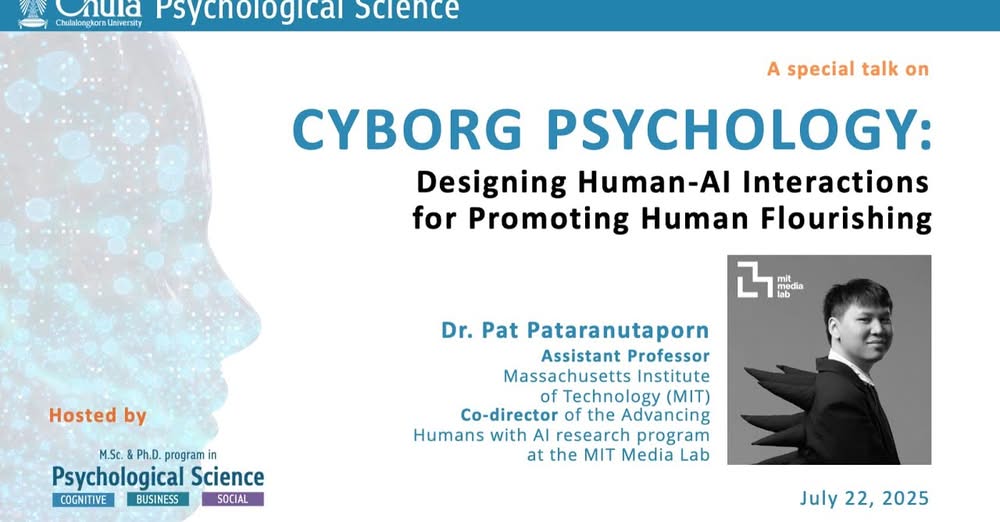

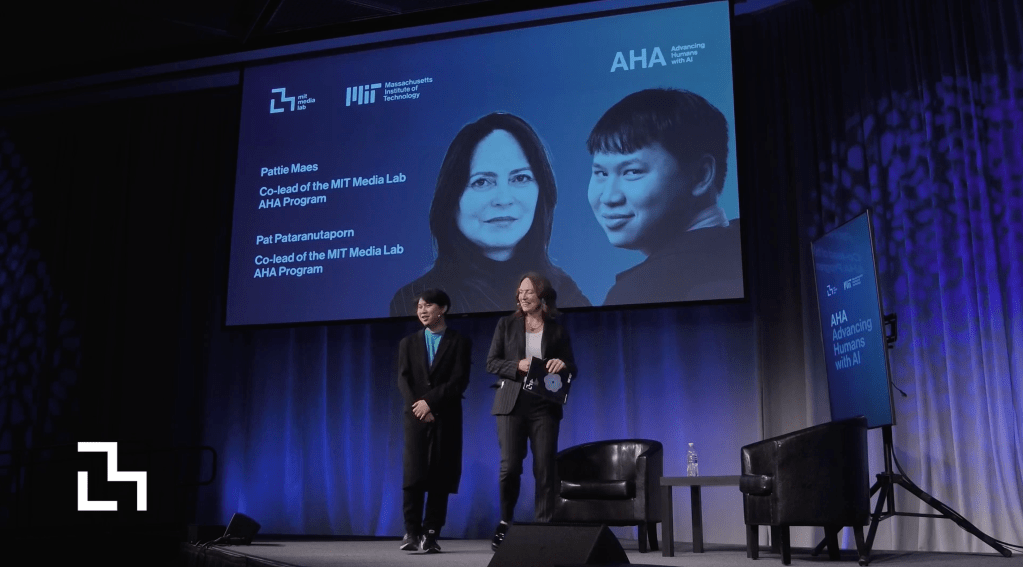

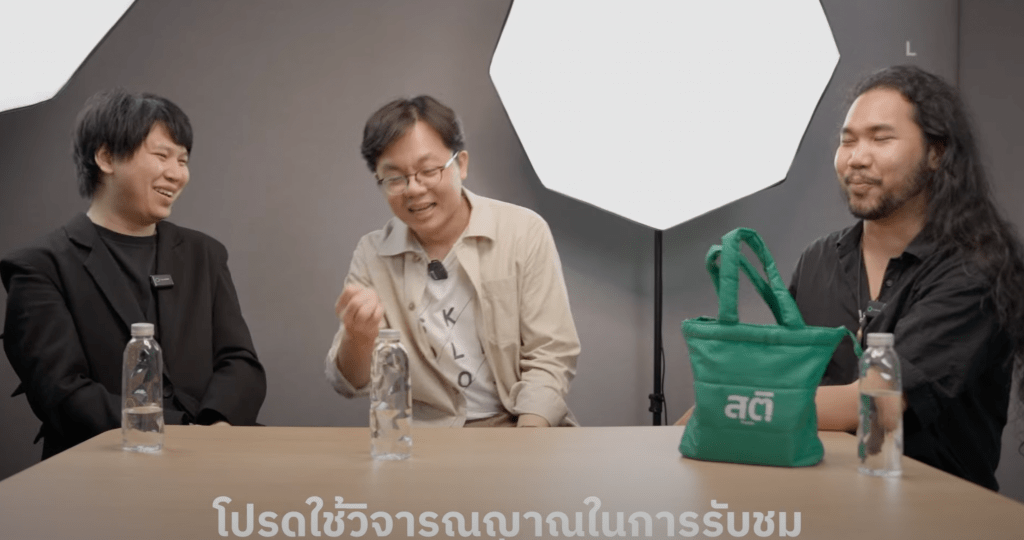
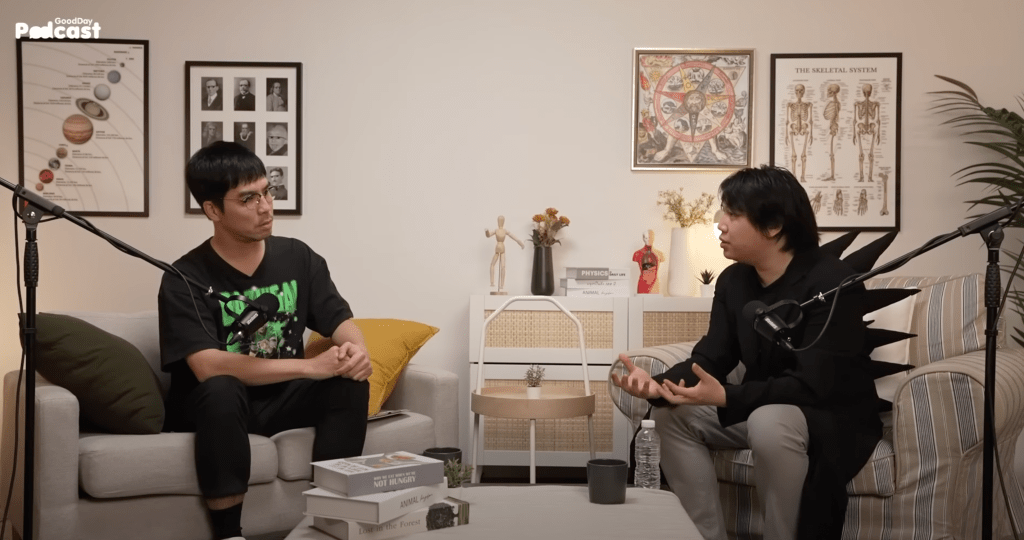

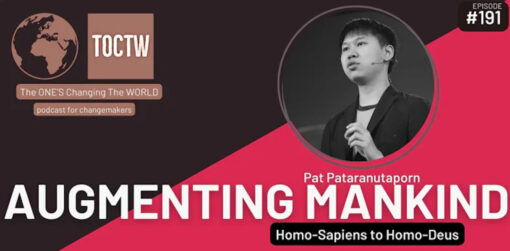
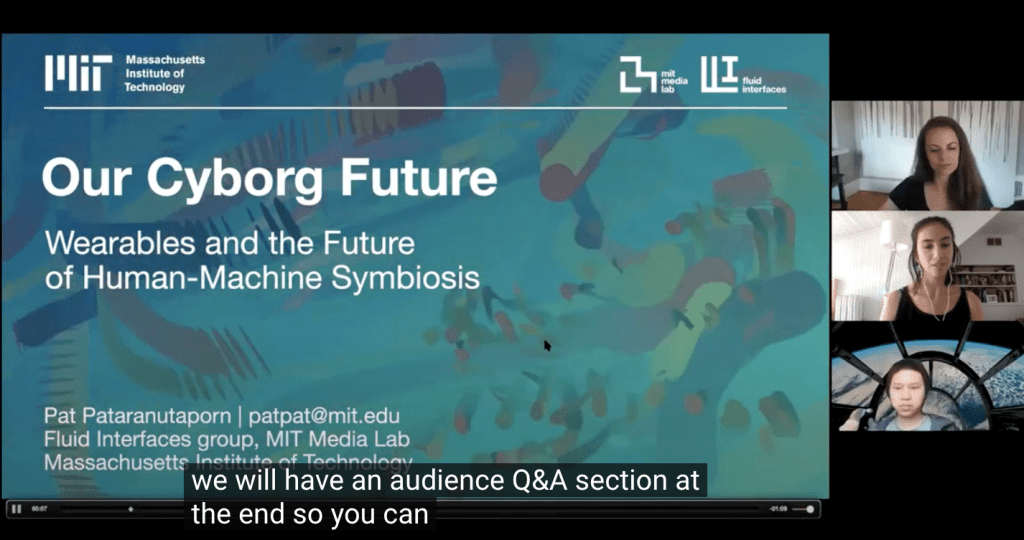

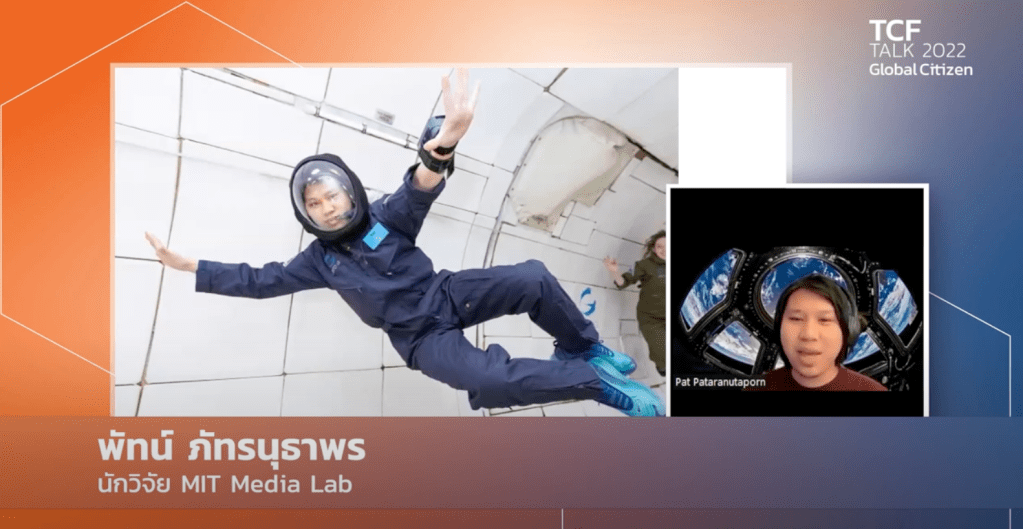
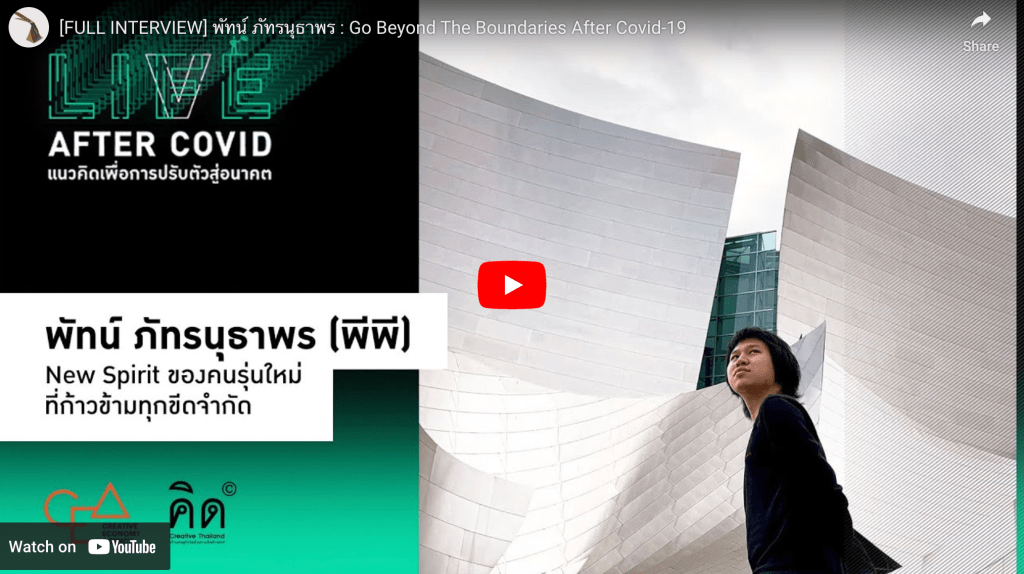

Academic Talks
2026
- Panelist at Cornell’s Health Tech Summit (March 3, 2026)
- Speaker at the United Nations (UN) 11th International Day of Women & Girls in Science Assembly at the UN Headquarters ECOSOC Chamber (February 11, 2026)
- Invited speaker at National University of Singapore (February 2, 2026)
- Invited conversation with Nick Bostrom, Singapore (February 1, 2026)
- Invited talk at Singapore Art Week hosted by Padimai Art & Tech Studio(January 31, 2026)
- Keynote speaker at Experiential Innovation Conference at MIT (January 23-24, 2026)
- Opening Keynote for Reality Hack at MIT (January 22, 2026)
- Speaker/Moderator at HumanConnections.AI Salon, Noēsis Collaborative (January 17, 2026)
- Speaker at the Scalable HCI at the SUSTech School of Design (January 5, 2026)
2025
- Guest speaker at the University of Tokyo (December 23, 2025)
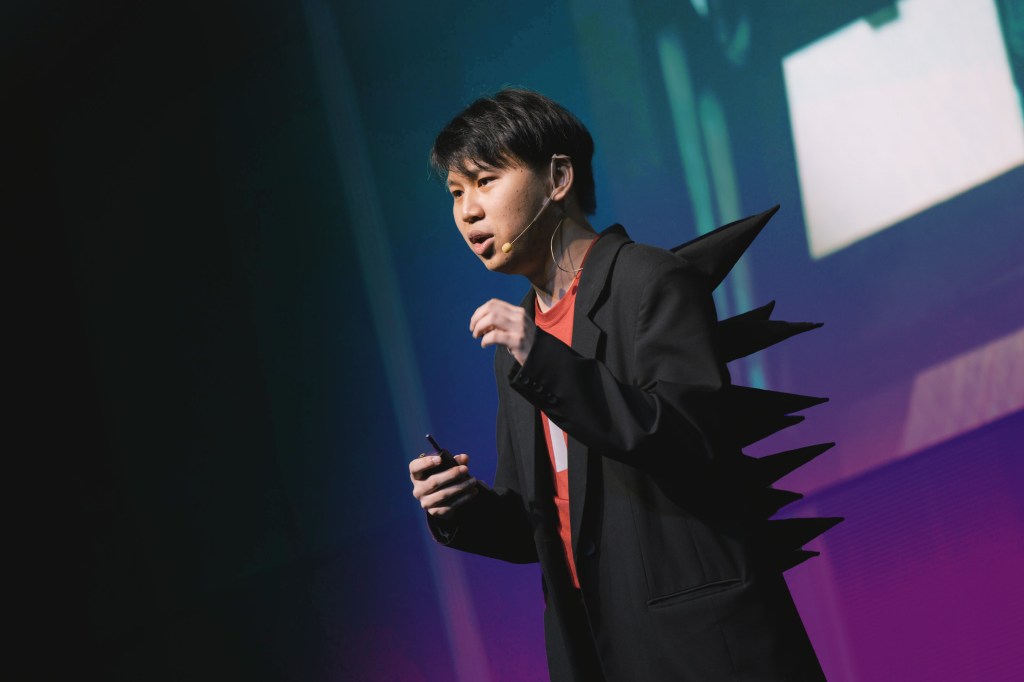
- Speaker at TEDx MIT (December 13, 2025)
- Invited panelist at the Dubai Future Forum (November 19, 2025)
- Invited participants at the Stanford AI Companion Workshop supported by Anthropic (November 17, 2025)
- Invited speaker at the 9th annual Psychology of Technology Institute’s “New Directions in Research on the Psychology of Technology” conference (November 14-15, 2025)
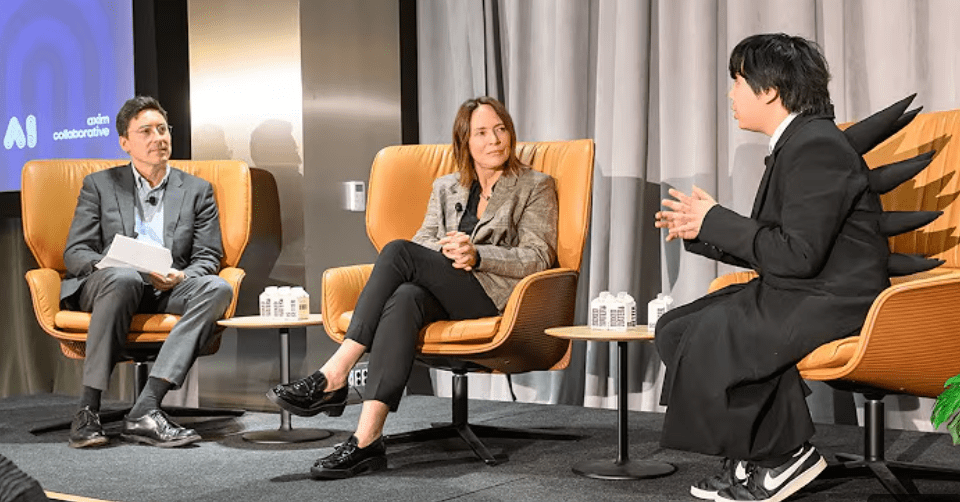
- Invited keynote at the AI & Education convening hosted by Axim Collaborative, Cambridge (November 12, 2025)
- Invited speaker at the Asia Pacific Computer Science Education Conference 2025 (APCSE), Bangkok (November 11, 2025)
- Panelist at the Green Sands Equity Global Summit (November 9, 2025)
- Invited participant for the Schmidt Sciences Human Futures in the Age of AI Symposium at UC Berkeley (November 7, 2025)
- Guest speaker at the MIT corporation meeting (October 9, 2025)
- Invited speaker (with Kawita) at Stelarc Split Body Multilateral Research Lab – Art & Science International Meetup in Tokyo 2025 (October 7, 2025)
- Guest speaker at the Stanford Technology in Healthcare Fall 2025 program (October 5, 2025)
- Closing keynote at the ACM International Conference on Mobile Human-Computer Interaction (MobileHCI) (September 25, 2025)
- Invited closing keynote at the Busan International Film Festival (BIFF) InnoAsia Conference: Cinema’s Next 100 Years: Cyborgs, Stories, and Technologies for Human Flourishing (September 23, 2025)
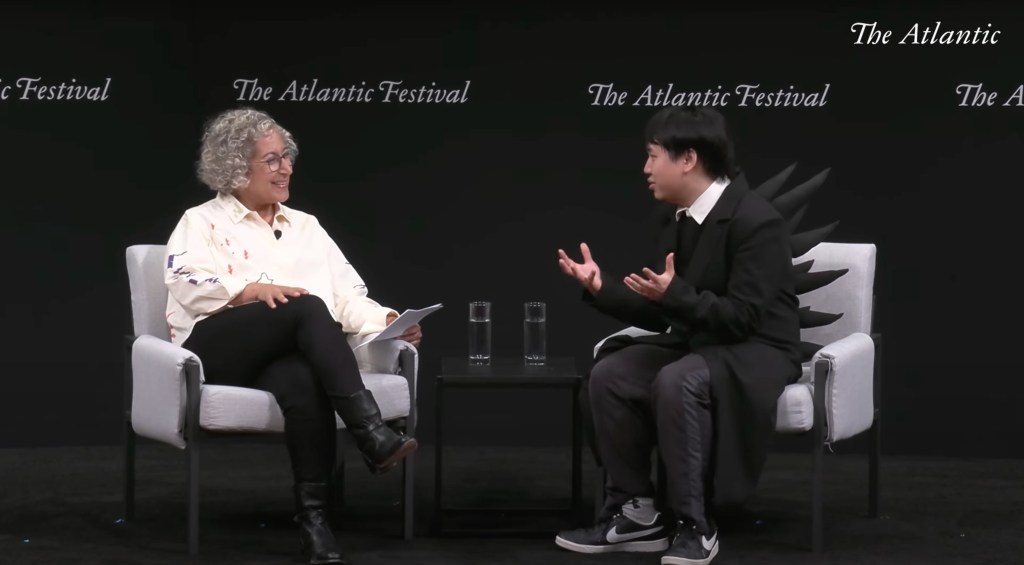
- Guest speaker at the Atlantic Festival “The Future of AI and Humanity” (September 18, 2025)
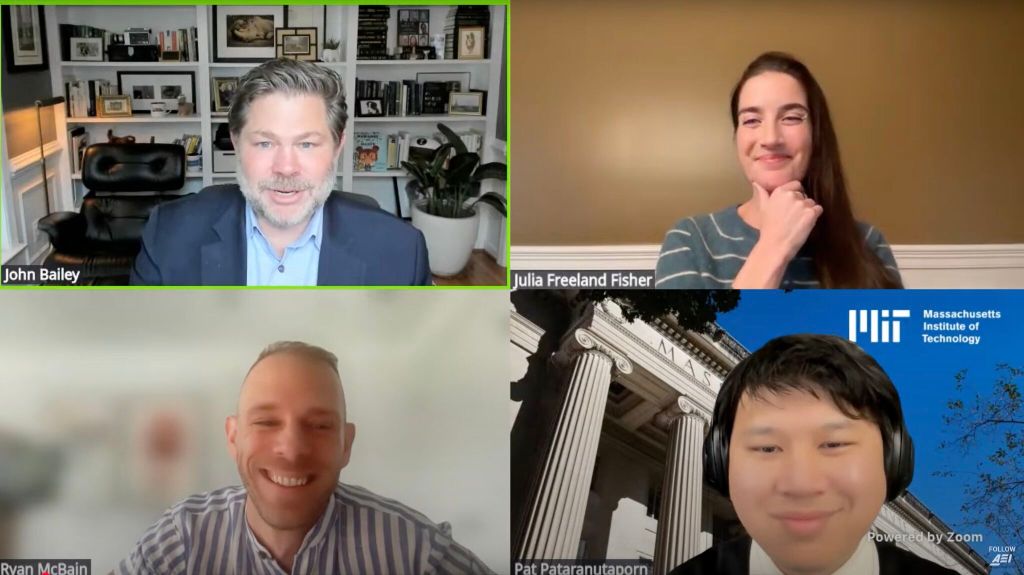
- Panelist at the American Enterprise Institute “When AI Feels Human: The Promise and Peril of Digital Empathy” (September 17, 2025) Link to the recording
- Invited talk at Google Jigsaw, NYC (September 17, 2025)
- Guest lecture at Sasin School of Management, Sasin Graduate Institute of Business Administration of Chulalongkorn University (July 25, 2025)
- Invited guest lecture at the Data Science for Mental Health (DS4MH) at The Alan Turing Institute (July 18, 2025)
- Invited talk at Splash Soft Power forum & Thai Content Experience (July 11-12, 2025)
- Invited talk at the School of Leadership (SOL)(June 20, 2025)
- Invited talk at VISTEC (Vidyasirimedhi Institute of Science and Technology), Thailand (June 20, 2025)
- Panelist at the UNDP event “A Matter of Choice: People and Possibilities in the Age of AI”, the 2025 Global Human Development Report” (June 16, 2025)
- Panelist at the Netherlands Institute for Cultural Analysis (NICA) and the Department of Media and Culture Studies at Utrecht University: “This Body is Generated. Dancing Virtual Worlds from AI to VR” (16 June 2025)
- Panelist at the TED AI Signal hosted by IDEO (June 5, 2025)
- Distinguished Lecture (ปาฐกถาเกียรติยศ นิตยา คชภักดี) at National Academic Conference Shaping the Future of Thai Children: Technology, Learning, and Happiness at the National Institute for Child and Family Development, Mahidol University (May 30-31, 2025)
- Guest Lecture at MAS.S61 What is a Better Future by Professor Rosalind W. Picard ? (March 4, 2025)
- Guest Seminar at Microsoft Research (February 14, 2025)
- Invited Speaker at UNICEF Safer Internet Day (February 10, 2025)
- Speaker/Organizer at AI x Culture Symposium (January 25, 2025)
- Invited Panelist at SXSW 2025 session “Hi! I’m Future You: Cultivating Long-Term Wellbeing with AI” (March 7-15, 2025)
- Invited lecture at CUSO Winter School 2025: Human-AI Collaboration by Conférence Universitaire de Suisse Occidentale, Champéry, Switzerland (January 27 – 31, 2025)
- Invited talk at the MIT Industrial Liaison Program 2025: MIT Bangkok Symposium – Unleashing AI: Transforming Industries, Empowering Futures (January 21, 2025)
2024
- Invited talk at Busan International AI Film Festival (December 7, 2024)
- Invited artist talk with Kawita Vatanajyankur at The 11th Asia Pacific Triennial of Contemporary Art (November 30, 2024)
- Invited lecture at Workshop on Navigating the Ethics of Human-AI Collaboration, University of Chicago (November 20, 2024)
- Keynote presentation at at the Standard Economic Forum Exclusive Dinner (November 14, 2024)
- Dinner talk at the Standard Economic Forum Exclusive Dinner (November 5, 2024)
- Keynote presentation at Siriraj Surgical Innovation Forum 2024 “Human Resilience in Tech Tsunami” (November 4, 2024)
- Keynote presentation at MIT Media Lab Fall Member Event 2024 (October 9, 2024)
- Invited presentation at Busan International Film Festival (October 6, 2024)
- Guest Lecture “Cyborg Psychology: The Art & Science of Designing Human+AI Systems for Human Flourishing” at USC School of Cinematic Arts (September 24, 2024)
- Guest/Participant at ASEAN-ROK Creative Economy Workshop (September 24-26, 2024)
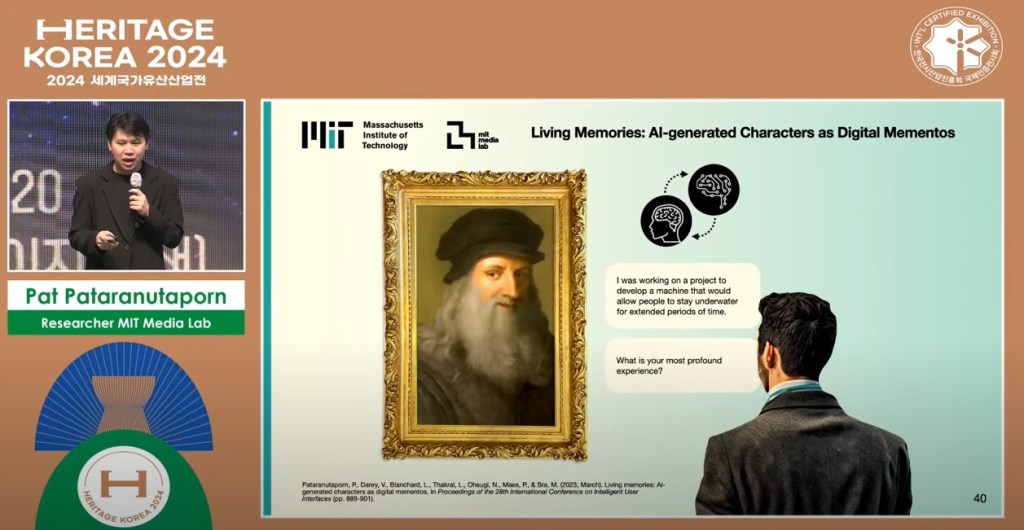
- Invited keynote “Cyborg Culture: Examining, Experimenting, Evolving Cultural Heritage with AI” at Heritage Future Forum at Gyeongju city, Korea (September 11, 2024)
- Invited lecture at Korea University (September 10, 2024)
- Invited keynote at KBTG Techtopia (July 18, 2024)
- Invited presentation at Thailand Development Research Institute (July 17, 2024)
- Panelist at Digital Hollywood: The AI Summer Summit: Virtual Humans & AI: Advanced Design + Intelligence = Unique Levels of Complexity (July 24, 2024)
- Invited keynote at THACCA SPLASH 2024 (June 29, 2024)
- Invited lecture at Woodenfish Forum on Buddhism, Science and Future: Buddhism, Consciousness & AI (June 21-23, 2024)
- Invited keynote at CHI 2024 workshop “Evaluating Interactive AI: Understanding and Mitigating Placebo Effects in Human-AI Interaction” (EvalAI@CHI) (May 12, 2024)
- Guest speaker at Microsoft Research “Toward a New Discipline of Human+AI Interaction for Human Flourishing” (March 28, 2024)
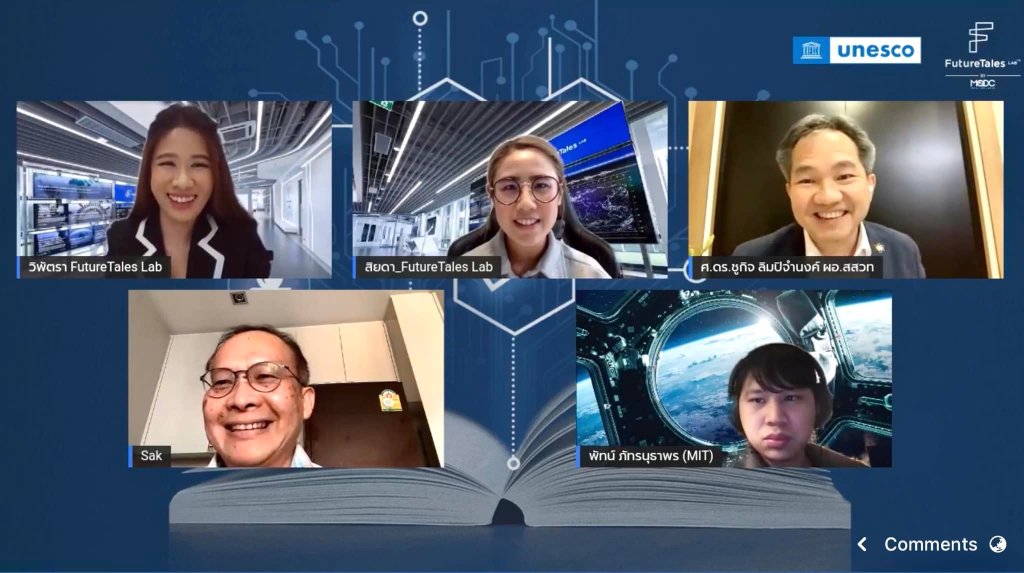
- Invited Panelist at UNESCO seminar on “Harnessing Digital Tools for Greater Community Involvement in Sustainable Tourism Narratives” (March 20, 2024)
- Artist Talk “Cyber Subin: Co-creating Cybernetic Cultural Heritage with Artificial Choreographic Intelligence” with Pichet Klunchun at National Theater and Concert Hall, Taipei (March 7, 2024)
- Invited keynote speaker at ACM CHI Workshop on Evaluating Interactive AI: Understanding and Mitigating Placebo Effects in Human-AI Interaction” (EvalAI@CHI)(May 12, 2024)
- Guest speaker at the Chapin Hall at U of Chicago’s AI Round-Table Discussion (February 26, 2024)
- Opening speaker at MIT AI for filmmaking hackathon (February 18, 2024)
- Guest speaker at MIT How to Grow (Almost) Anything class (February 6, 2024)
- House of Wisdom workshop with Professor Pattie Maes(January 29, 2024)
- Speaker at Re-designing Human Extinction (January 22, 2024)
- Keynote speaker at Thailand Constructionism symposium (January 21, 2024)
- Speaker at KMUTT Sensor Technology Lab seminar on “From Bio to Digital & Digital to Bio: Interfacing Organic & Synthetic Intelligence” (January 18, 2024)
- Speaker at the 101 Word Research and Policy Dialogue (January 16, 2024)
2023
- Keynote speaker at AI Engineering & Innovation Summit 2023 (December 8, 2023)
- Lightning Talk/Demo at MIT Generative AI week (November 28-30, 2023)
- Guest speaker at MIT Media Lab Tangible Media class (November 28, 2023)
- Guest speaker at MIT Technology Review EmTech (November 14-15, 2023)
- Guest speaker at Emergence: A Convening by Fathomers supported by the Getty and The Andy Warhol Foundation for the Visual Arts (October 24-25, 2023)
- Guest lecturer at the Bank of Thailand Economic Seminar on “Human and AI Symbiosis: Challenges and Opportunities for the Future of Human Augmentation” (October 2, 2023)
- Speaker at the Bank of Thailand Symposium 2023 “From Human Womb to Digital Tomb” (September 29, 2023)
- Guest speaker Faculty of Communication Arts, Chulalongkorn University on AI and filmmaking (September 28, 2023)
- Guest speaker at the University of Tokyo Seminar hosted by Professor Masahiko Inami (September 24, 2023)
- Guest speaker for Celebrating Neurodiversity: Ichi-go Ichi-e Symposium, Tokyo (September 21, 2023)
- Guest speaker at Chiangmai University supported by U.S Embassy (September 3, 2023)
- Keynote speaker at CEA Creativities Unfold on AI for the Future of Entertainment & Storytelling(August 24, 2023)
- Guest speaker/panelist at AI on the Lot: Bringing AI into Hollywood (May 16, 2023)
- Guest speaker for Imagination in Action (IIA) pre-event gathering (April 13, 2023)
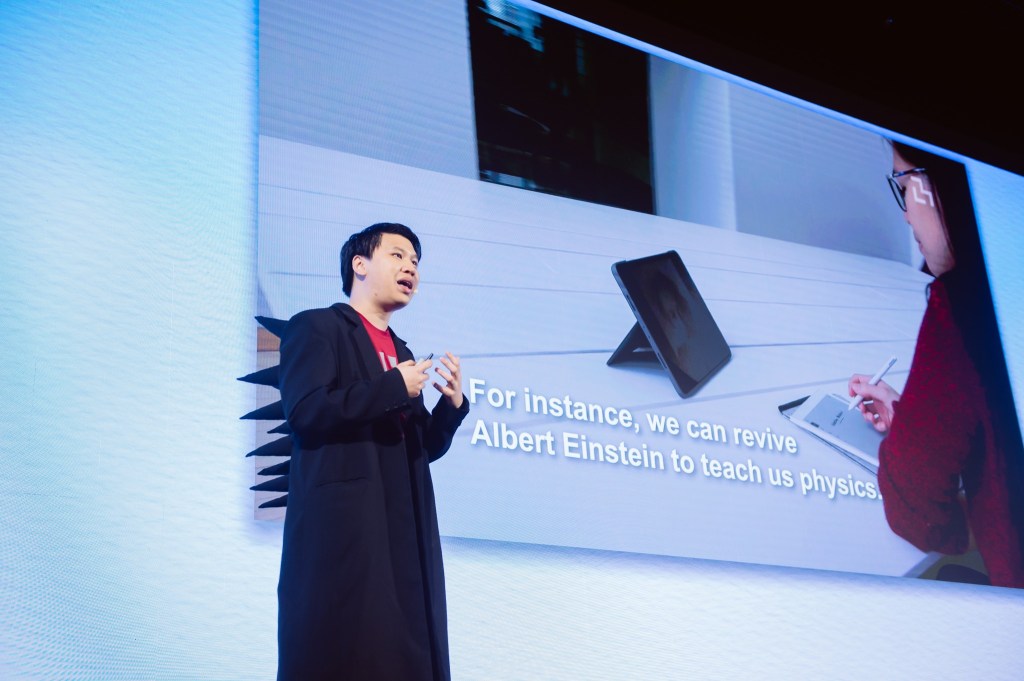
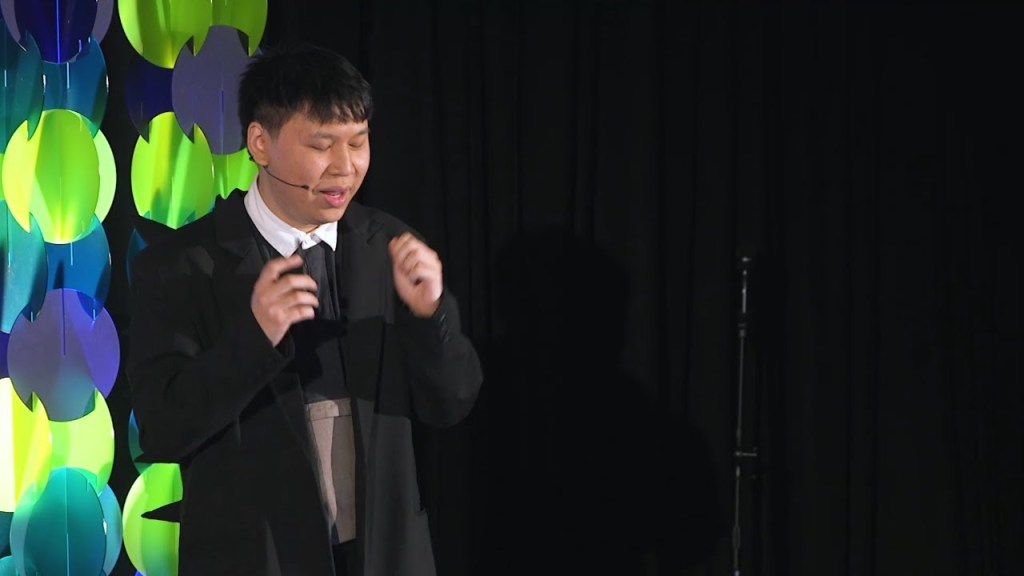
- Speaker at TEDx Boston on AI-generated Cyborg and the Machine of Multiple Me (March 6, 2023)
- Guest on ACM ByteCast with Bruke Kifle
- Invited guest speaker for CXO – Chief Exponential Officer – Disrupt Technology Venture (Feb 18, 2023)
- Invited guest speaker for Institute for Innovative Learning, Mahidol University on “Thinking about Thinking with the Thinking Machine” (January 4, 2023)
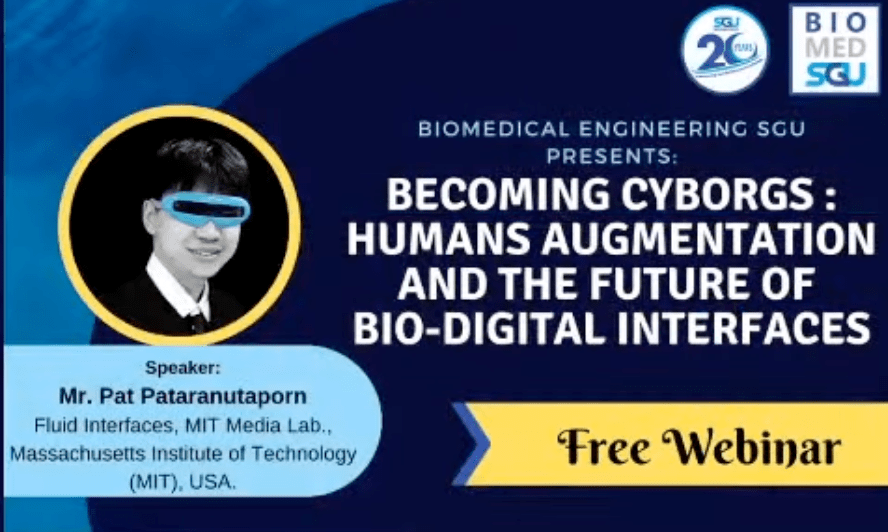
- Invited guest speaker for Faculty of Medicine, Chulalongkorn Universityon on “Cyborg Medicine: Human-AI Interaction & Bio-digital Augmentation for Human Health Enhancement”
- Invited guest speaker for Siriraj Hospital, Mahidol University on “Cyborg Medicine: Human-AI Interaction & Bio-digital Augmentation for Human Health Enhancement”
- Keynote speaker for MIT AI for Filmmaking Hackathon (January 21, 2023)
- Invited guest speaker at Foster + Partners Innovation Forum (January 12, 2023)
2022
- Opening speaker/Organizer of the First MIT Media Lab Southeast Asia Forum co-hosted by KBTG and Bangkok Bank
- Keynote speaker at IEEE RASSE 2022 (November 8, 2022)
- Guest lecture in Biological Design program at University of Sydney (October 27, 2022)
- Speaker at MIT Media Lab Life with AI Deep Dive session (October 25, 2022)
- Speaker at Thaicom Foundation Talk 2022 (October 7, 2022)
- Guest panelist at Future Bodies Symposium (October 1, 2022)
- Guest lecture at the International Program in Design and Architecture, Chulalongkorn University (Sep 15, 2022)
- Guest lecture at University of Chicago on Human Computer Interaction Club (July 20, 2022):
- Co-presenter at NASA JPL X MIT Media Lab talk (June 28, 2022)
- Invited Speaker for MIT Media Lab X Amazon Salon (June 16, 2022)
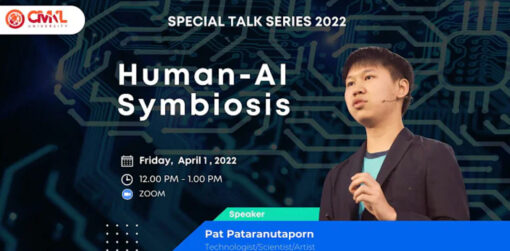
- Guest Lecture at Carnegie Mellon University/CMKL Thailand on “Human-AI Symbiosis: Designing our cyborg future” (April 2, 2022)
- Guest Lecture at University of Toronto on “Magic, Monster, Machine: The Cyborg culture and the Future of Human-Computer Integration” (April 1, 2022)
- Invited Speaker at the Harvard Business School Association of Thailand seminar on Metaverse : The Next Tech Revolution (March 22, 2022)
- Invited Speaker at the Harvard University Colloquium on AI-assisted Decision-making on “Thinking about Thinking with the Thinking Machine” (March 1, 2022)
2021
- Invited Speaker at Microwave International New Media Arts Festival (Hongkong) on “AI-generated Human: Deepfakes, Deeptruths, and our Post-Digital Future” (November 11, 2021)
- Guest Lecture at MIT MAS.S65: Cognitive Augmentation Class “Bio-Digital Cyborg” (November 10, 2021)
- Guest Lecture on Human Factors Design and HCI in Design Exploration: towards a Moon Architecture Seminar Series (November 10, 2021)
- Guest Lecture in Media and Outer Space class at University of Toronto (November 9, 2021)
- Guest Lecture in Biological Design program at University of Sydney (November 4, 2021)
- Guest Lecture at MIT MAS.S65: Cognitive Augmentation Class “Thinking about thinking with a thinking machine” (September 22, 2021)
- Invited Guest Presenter at MIT 2.S991 Learner’s Journey Spring 2021 Class “Deepfakes for Good” ( April 2, 2021)
- Invited Panelist “In Conversation: Kimberly Lyle and Pat Pataranutaporn” at Phoenix Art Museum (Jun 18, 2021)
- Invited Guest Speaker at Burg Giebichenstein University of Art and Design Halle’s BurgLabs Frühjahrssession 2021: collapse collabs colabs : “Prototyping Futures : Wearable Biotech and Growable Interfaces” (March 17, 2021)
- Cyber Performance Lecture on “Cybernetic Dance 2.1” with Pichet Klunchun Dance Company at Ratchadamnoen Contemporary Art Center, Thailand (March 7, 2021)
- Invited Guest Speaker at Igniting Action: STEM, Entrepreneurship Activism, Global virtual forum (February 27, 2021)
- Invited Guest Presentation at the Perceptual Engineering Group at University of California, Santa Barbara (February 26, 2021)
- Invited Guest Speaker at MITxFIT Advanced Fibers and Fabrics Workshop: “Wearable Augmentation & Human Enhancement”(January 1, 2021)
- Invited Demo on Generative AI for Good at PWC (PricewaterhouseCoopers) Tech Exchange Virtual Reality meeting (February 11, 2021).
2020
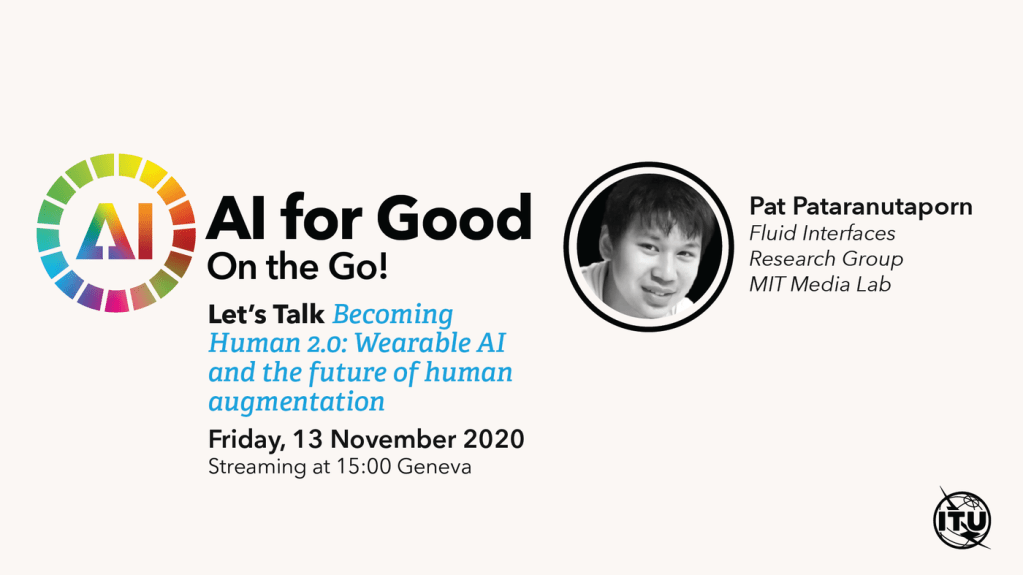
- Invited Guest Speaker at United Nations AI for Good : “Becoming Human 2.0: Wearable AI and the Future of Human Augmentation”(November 14, 2020)
- Invited Guest Speaker at Indigenous Digital Delegation, MIT Open Documentary Lab (November 11, 2020)
- Invited Guest speaker at MIT Global Health Alliance(November 14, 2020)
- Invited Guest speaker at Y-Bio Incubate at Yale University “Bio + Digital : Towards Homo Symbioticus” (October 29, 2020)
- Co-presenter with Adam Haar Horowitz at The Society for the Neuroscience of Creativity Conference “Sleep, Dreams and Capturing Creativity” (October 23, 2020)
- Presenter/co-organizer of “Wearable Voice Interfaces for Human Enhancement” at MIT Media Lab Member Event (July 7, 2020).
- Co-founder & host of MIT Media Lab Media Arts & Sciences Student Seminar
- Invited speaker at Thailand AI Virtual Seminar 2020
- Keynote speaker at Corporate Innovation Summit “Designing Cyborg Future” Video
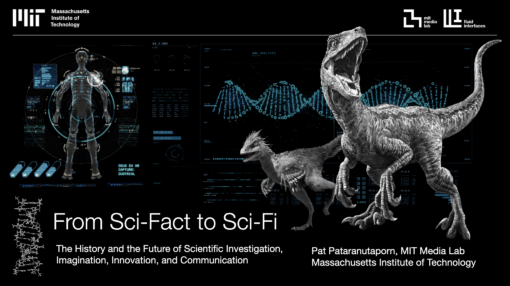
- Guest lecture at Mahidol University “Sci-Fact to Sci-Fi : The History and the Future of Scientific Investigation, Imagination, Innovation, and Communication” (April 21, 2020) Video
- Guest lecture at Naresuan University “Deva Ex Machina” (July 21, 2020) Video
- Guest speaker at Institute of Public Policy and Development – IPPD (Thailand) on New World Paradigm “The Future of Tech for and after COVID19” (June 12, 2020) Video
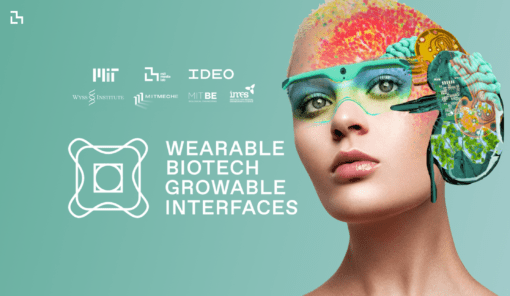
- Co-organizer and Presenter of MIT Media Lab Wearable Biotech & Growable Interfaces 2020 with IDEO (March 5, 2020) Video
- Presenter at NASA Human Research Program Investigators’ Workshop 2020 (January 27, 2020)
2019
- Guest Lecture of STS.058 Space Exploration and Interplanetary Habitation at MIT
- Guest Lecture of MAS.S63 Cognitive Enhancement
- Presenter at MIT Media Lab Space Exploration Initiative “Space Health workshop” at Yale University (November 1, 2019)
- Presenter at Biodesign Here Now, London Design Festival 2019 “Biological Cyborg, Wearable Biotech, and the Future of Human-Machine Symbiosis” (September 21, 2019)
- Presenter at MIT Media Lab Dream Engineering Workshop “Biological & Linguistic Markers for Dream Augmentation” (January 29, 2019)
- Co-organizer at MIT Media Lab Beyond the Cradle 2019: Envisioning a New Space Age “Wearables & Space Health” (March 14, 2019)
2018
- Guest Lecture in MIT Art, Culture, Technology : Culture Fabric: Art, Fashion, Identity (October, 2018)
- Chair of MIT Media Lab Global Community Biosummit “Emerging Technology Session” (October 26, 2018)
- Invited speaker at Techsauce Global Summit 2018 “Futuristic Dining : Holographic Food to Eating on Mars”
- Invited Keynote at Food Innopolis Demo day “Food of the Future”
2017
- Presenter at MIT Media Lab Biosummit “Bio HCI” (September 22, 2017) Video
- Invited speaker TED X ASU “Prototyping the Impossible” (March 22, 2017) Video
2016
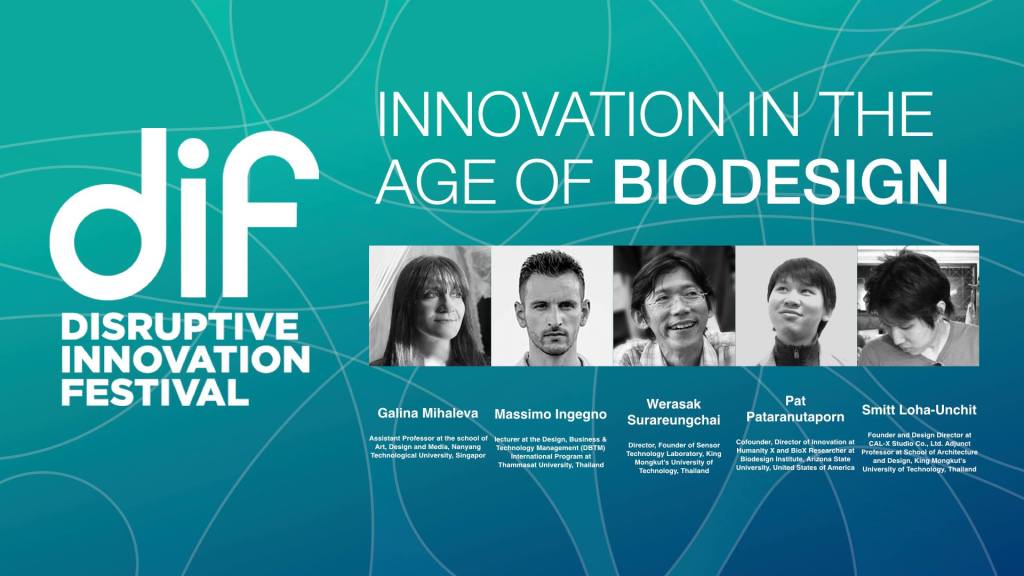
- Chair at Disruptive Innovation Festival 2016“Innovation in the Age of Biodesign” (November 23, 2016) Video
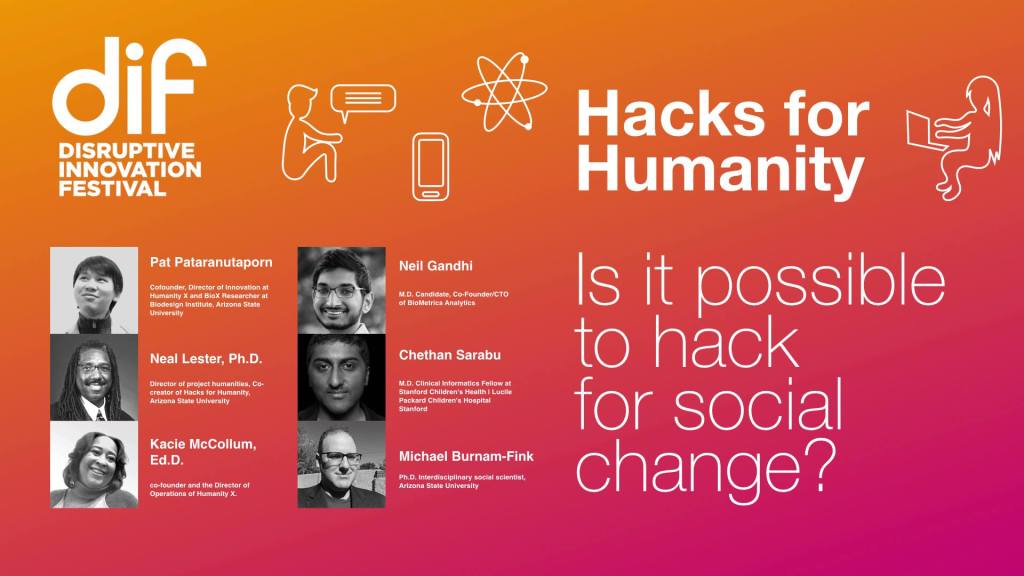
- Chair at Disruptive Innovation Festival 2016“Hacks for Humanity” (November 16, 2016) Video
- Invited speaker at Stanford Medicine X“Hacks with Hope” (September 17, 2016) Slide
- Invited speaker at Thailand Advanced Institute of Science and Technology (THAIST)“Future of Innovation is FREAK!” (July 26, 2016) Slide
- Invited speaker at Prince of Songkla University International College (PSUIC)“Innovation + Aesthetic in Computational & Biological Era” (June 27, 2016) Slide
- Invited speaker at PSU Wittayanusorn School (PSUWIT)“Exploring Design & Emerging Sciences” (June 23, 2016) Slide
- Invited speaker at Phoenix Stanford Medicine X Pop-Up event“Hacks Health Humanity” (April 16, 2016) Watch presentation
2015
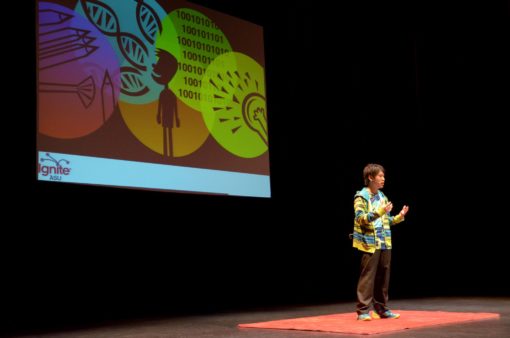
- Invited speaker at Ignite ASU “SCIENCE + ART = ?” (November 4, 2015) Video
- Invited panelist at SXSW Eco 2015 at Austin, TX (October 5-7, 2015)
Space Missions
MicroPET mission – ISS mission/SpaceX: In collaboration with MIT Space Exploration Initiative, SEED, NREL, and Harvard University
MESSE mission – Suborbital Launch with Blue Origin: In collaboration with SPACETH + MuSpace
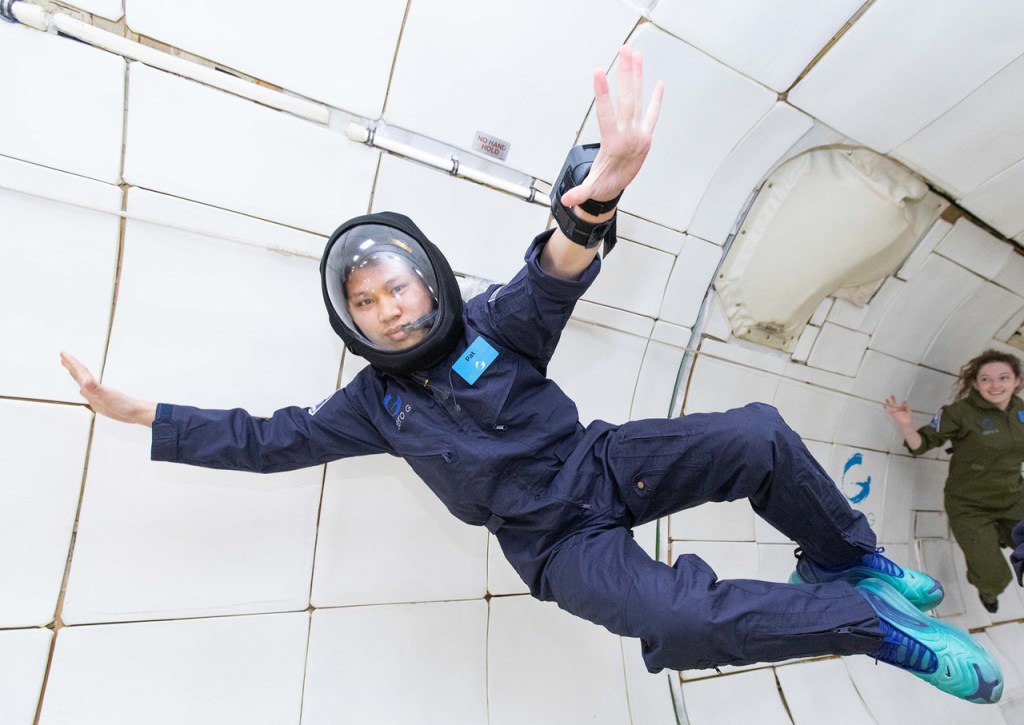
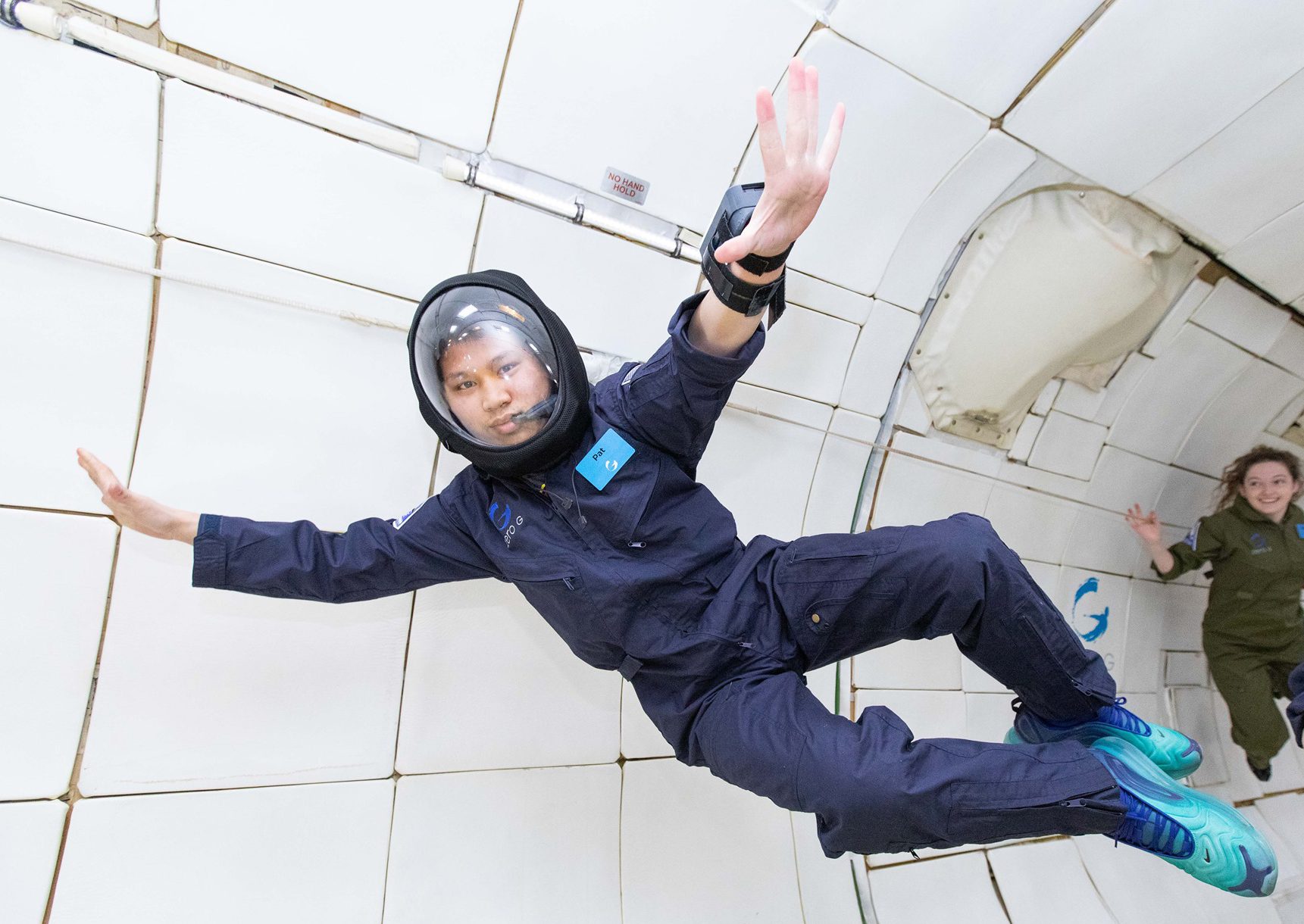
Wearable Lab mission – Zero Gravity Flight: Supported by MIT Space Exploration Initiative and NASA Translational Research Institute for Space Health
Filmography
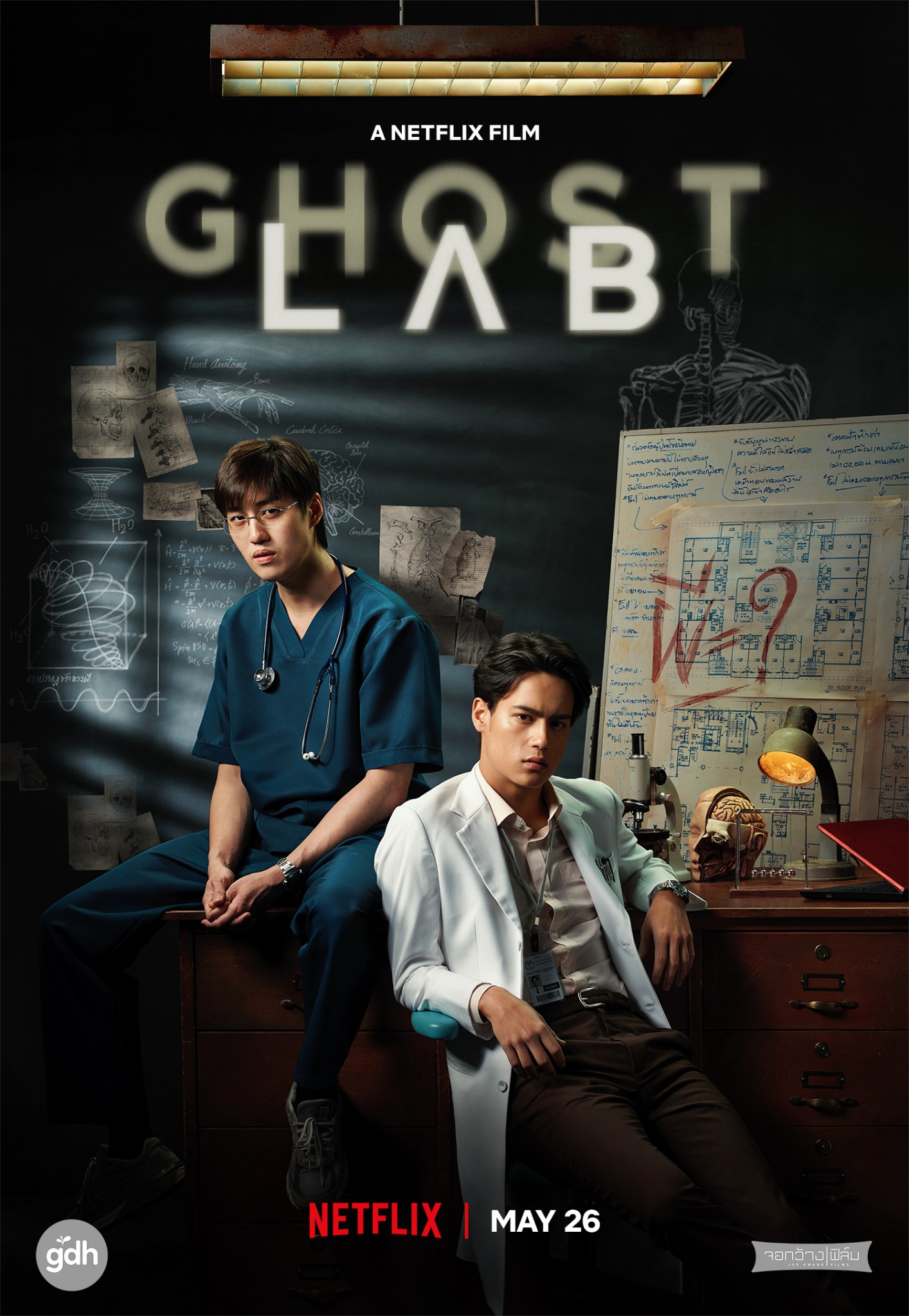
Scientific Advisor
Director: Paween Purijitpanya
GDH/Netflix
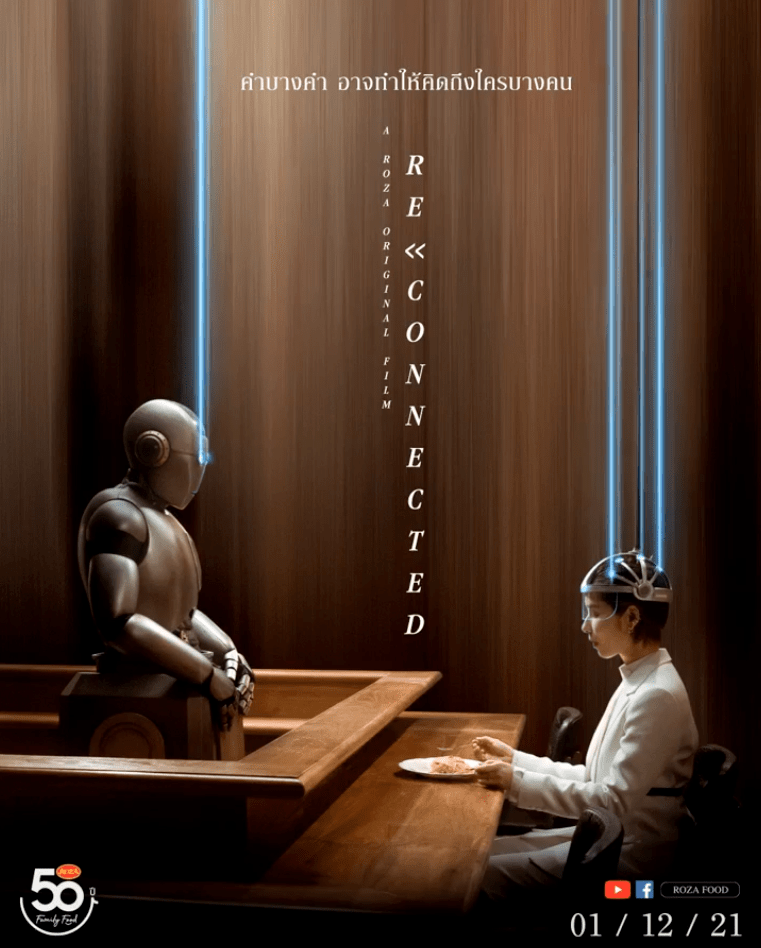
Advisor
Director: Pagorn Jungrungruang
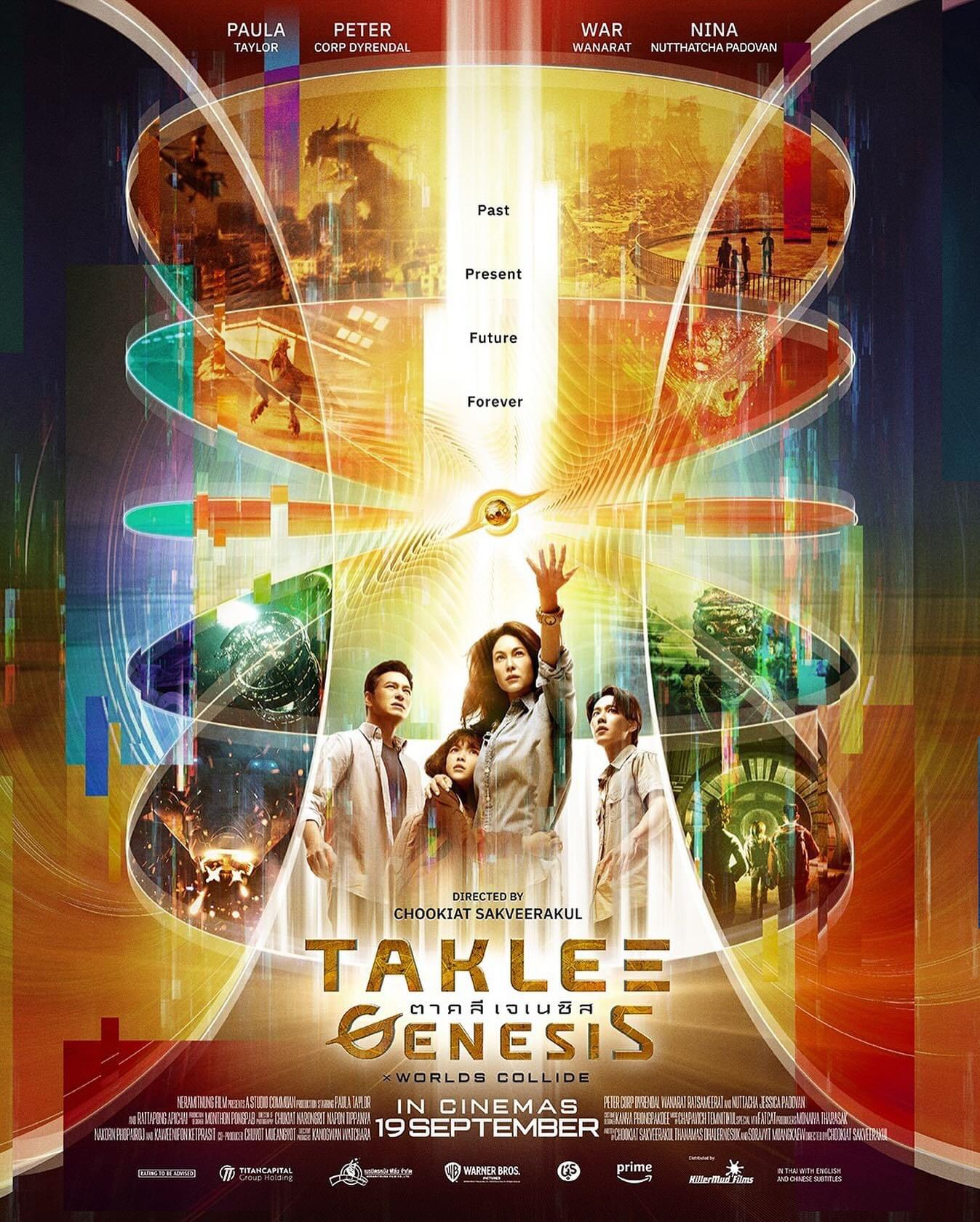
Scientific Advisor
Director: Chookiat Sakveerakul
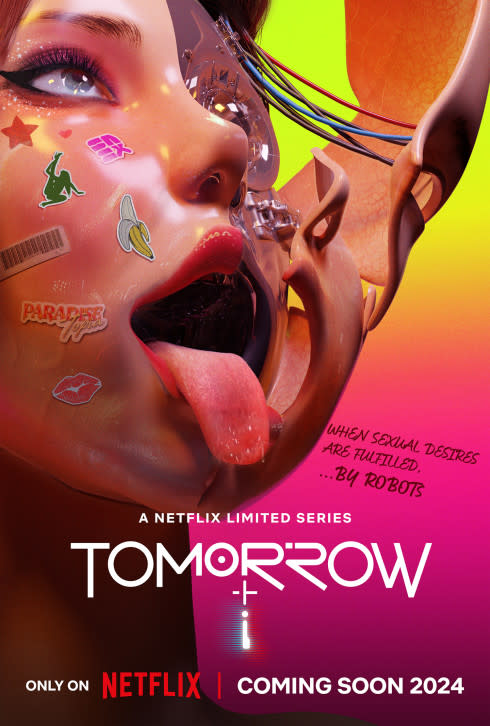
Creator/Writer
Tomorrow + i (Coming up 2024)
Artistic Works, Performances & Exhibitions
- 2026 – Exhibition at UN AI for Developing Countries (February 4, 2026)
- 2025 – Emergence: Art from Life by Fathomers,PST ART presented by Getty presented the prototypes of MicroPET and CyberBiome (October 8, 2025 – December 15, 2025)
- 2025 – Indonesia Bertutur presented “Cyber Subin”, a Human-AI co-dancing performance in a collaboration with choreographer Pichet Klunchun (August 15, 2025)
- 2025 – Holland Festival, presented “Cyber Subin”, a Human-AI co-dancing performance in a collaboration with choreographer Pichet Klunchun (June 11-13, 2025)
- 2025 – The 11th Asia Pacific Triennial, presented “The Machine Ghost in the Human Shell” installation with Kawita Vatanajyankur (30 November, 2024 – 27 April, 2025)
- 2024 – Co-created the Netflix sci-fi anthology series “Tomorrow and I” which premiered globally in 190 countries on December 4, 2024
- 2024 – WSJ The Future of Everything Festival, presented the “Future You” prototype (May 21-22, 2024)
- 2024 – Stellar Scape Exhibition, presented the prototype of MicroPET (June 22, 2024 — January 26, 2025)
- 2024 – National Theater and Concert Hall, Taipei, presented “Cyber Subin”, a Human-AI co-dancing performance with choreographer Pichet Klunchun (March 8-10, 2024)
- 2022 – MAXXI Museum: Technoscape, The Architecture of Engineers: SpaceSuits, space architecture at human scale, presented the “CyberBiome” project
- 2022 – MIT Museum: AI: Mind the Gap exhibit, presented “Wearable Reasoner”
- 2022 – Bangkok Art Biennale: “Voice of the Oppressed” installation with Kawita Vatanajyankur
- 2022 – Art Gallery of Western Australia and Simon Lee Foundation Institute of Contemporary Asian Art, presented “Mental Machine: Labour in the Self Economy” installation with Kawita Vatanajyankur
- 2022 – Bangkok CityCity Gallery: “A Conversation With the Sun” installation with Apichatpong Weerasethakul in collaboration and DuckUnit
- 2021 – Uno, Nessuno, Centomila : Electric Artefacts, presented the video installation of “Machinoia”
- 2020 – Ars Electronica 2020 : Festival for Art, Technology & Society, presented “Wearable Wisdom” and “MESSE” in the virtual exhibition
- 2020 – NASA Human Research Program Investigators’ Workshop, presented the prototypes of “Wearable Lab” and “Wearable Bioreactor”
- 2019 – Biodesign Here Now, London Design Festival, presented the prototype of “Wearable Lab”
- 2018 – DigiMuse at National Museum of Singapore, Singapore, presented the “Pulse” installation
- 2018 – Thailand 4.0 in the Making, presented “FREAK Lab showcase”
- 2018 – Night Festival, Singapore, presented “Pulse”
- 2018 – SIGGRAPH Asia 2019, Tokyo, Japan, presented “Genomix Mask”
- 2018 – 2018 MRS Spring Meeting & Exhibit – Wearables in Smart Fabrics Fashion Show, Arizona, presented “Hormone Couture”
- 2018 – Primer Conference, presented Hormone Couture
- 2018 – Uncertainty Fashion Show (Special Collection), Arizona, presented “Hormone Couture”
- 2018 – Transmediale and CTM Vorspiel Urban Media Art Kitchen, Berlin, presented “Emoti-khon”
- 2018 – Wild Design Exhibition, Essex Peabody Museum, MA, presented “Jube”
- 2017 – ISWC’ 17, Hawaii, presented Hormone Couture
- 2017 – IEEE VIS’ 17 (Guest), Arizona, presented “Genomics Mask”
- 2017 – IEEE VIS’ 17 (Guest), Arizona, presented “Generative Membrane”
- 2017 – ISEA: International Symposium on Electronic Arts, Columbia, presented “Generative Membrane”
- 2017 – Biomimicry: Inspired by Nature Exhibition at National Taiwan Science Education Center, Taiwan, presented “Jube”
- 2016 – IDEA Museum, Arizona – Sci-Fi: Fantasy to Reality exhibition, presented “Futuretopia”
- 2016 – Bioneers Conference, San Francisco, presented “Jube”
- 2016 – Biomimicry Innovation Showcase at Children’s Creativity Museum, San Francisco and Autodesk Gallery, San Francisco, presented “Jube”
- 2015 – Spark Festival of Creativity at Mesa Arts Center, presented Human Emotion Installation
- 2015 – SouthWest Maker Festival at Central Mesa, presented “Human Emotion Installation”
- 2014 – ASU’s Digital Culture Showcase, presented “Human Emotion Installation”
- 2014 – Collaborative Exhibition at IceHouse Gallery, presented “Human Emotion Installation”
Teaching
- 2021 – Creator & Lecturer: Experiments in AI-Generated Media (https://maven.com/medialab/ai-generated-media) [The First MIT Media Lab Online Public Class]
- 2020 – Creator & Lecturer: MIT Media Lab MAS.S60 Experiments in Deepfakes : Creativity, Computation, and Criticism (http://deepfakes.media.mit.edu/)
- 2020 – Teaching Assistant: MIT Media Lab MAS.S61 How To Grow (Almost) Anything (https://www.media.mit.edu/courses/htgaa/)
- 2019 – Creator & Lecturer: AstroBiotechnology (https://astrobio.freaklab.org/)
- 2018 – Teaching Assistant: Fashion and Wearable Technology
- 2018 – Program Lead/ Program Designer: HACK BIODESIGN for High School Student under Junior Science Talent Project (JSTP)
- 2017 – Program Lead/ Program Designer: AI in Agriculture Unschooling Camp for High School Student under Junior Science Talent Project (JSTP)
- 2016 – Program Lead/ Program Designer: Social Robot Design Unschooling Camp under Junior Science Talent Project (JSTP)
- 2015 – Program Designer : Biomimicry in the mud: designing mudskipper robot
Other
- Judge – Busan International AI Film Festival
- Judge – XR Design Challenge by IDEO, Meta, and Shapes 2024
- Judge – MIT AI for filmmaking hackathon 2024
- Judge – MIT AI for filmmaking hackathon 2023
- Judge – MIT Reality Hack 2019
- Judge – MIT Reality Hack 2020
- Judge – MIT Reality Hack 2022
 Pat
Pat 

